


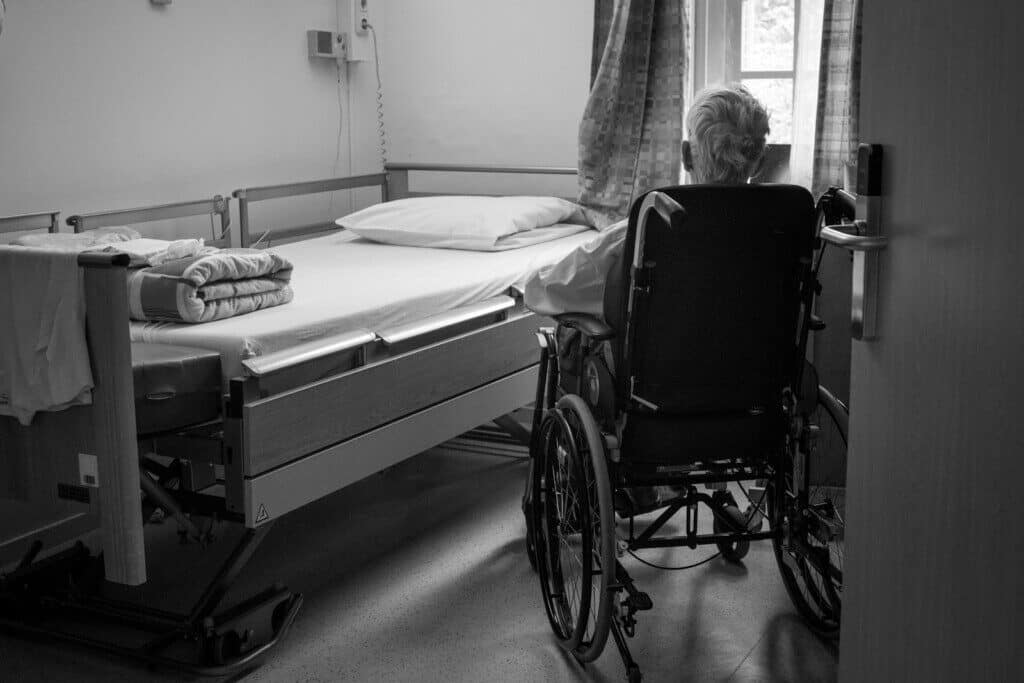
Most families who move a parent or grandparent into a nursing home do so after long, careful deliberation. They tour facilities, compare reviews, and ask hard questions. Then daily life resumes, visits settle into a routine, and it becomes easy to accept small changes as part of aging.
Sometimes those changes are just that. Sometimes they are early signs of neglect or abuse. Florida has one of the largest older populations in the country and a correspondingly large long-term care industry, which makes recognizing warning signs a practical skill for many families here.
The list below groups common red flags into four categories. No single sign proves wrongdoing, but patterns deserve attention.
Physical Signs
- Unexplained bruises, especially in unusual places. Bruises on the inner arms, wrists, or torso, or in shapes that suggest grabbing, warrant questions. Pay attention when explanations change or do not match the injury.
- Pressure injuries (bedsores). These develop when someone remains in one position too long. They are often preventable with proper repositioning, nutrition, and skin care, and advanced sores can signal serious neglect.
- Sudden weight loss or dehydration. Dry lips, sunken eyes, confusion, or loose clothing can point to residents not getting help with meals and fluids.
- Repeated falls. Falls happen, but frequent ones may indicate inadequate supervision, missing assistive devices, or medication problems.
Behavioral and Emotional Signs
- Withdrawal or fearfulness. A resident who becomes quiet, avoids eye contact, or seems frightened of certain staff members may be signaling something they cannot say directly.
Families who notice signs like these, whether physical or emotional, and want to understand their legal options sometimes reach out to a nursing home abuse lawyer in Florida to learn how such concerns are usually investigated and documented.
- Agitation or unusual mood changes. Rocking, mumbling, or sudden anger can stem from many causes, including mistreatment.
- Reluctance to talk while staff are present. If conversations change the moment an employee enters the room, take note.
Environmental and Care Signs
- Poor hygiene. Soiled clothing, unwashed hair, strong odors, or untreated dental problems suggest basic care needs are not being met.
- Unsanitary living conditions. Dirty linens, pests, or unclean bathrooms reflect on how the facility operates overall.
- Medication irregularities. Excessive drowsiness, confusion, or missed doses can indicate improper medication management or, in some cases, chemical restraint.
Financial Signs
- Missing money or belongings. Jewelry, cash, and personal items disappearing repeatedly is a red flag.
- Unexpected changes to accounts or documents. New authorized users on bank accounts, unusual withdrawals, or sudden changes to legal documents call for immediate review.
Questions Worth Asking at the Next Care Plan Meeting
Care plan meetings are one of the best opportunities families have to spot problems early. Coming prepared with specific questions keeps the conversation focused:
- How many aides are assigned to this unit on day, evening, and overnight shifts?
- How often is my relative repositioned, and how is that recorded?
- Who tracks daily meals and fluid intake, and what happens when a meal is skipped?
- What fall-prevention steps are in place, and have any falls occurred since the last meeting?
- Have there been any medication changes, and why?
- Who should I call directly if I have a concern after hours?
Vague or inconsistent answers do not prove anything on their own, but they can point to areas that deserve closer attention.
What to Do When Something Feels Wrong
Noticing a sign is only the first step. Responding effectively involves a few practical actions.
Document carefully. Write down dates, times, what you observed, and who you spoke with. Take photos of injuries or conditions where appropriate and permitted. A detailed overview of documenting abuse and gathering evidence for nursing home claims explains why contemporaneous records carry so much weight.
Ask for records. Families with appropriate legal authority can request care plans, medication records, and incident reports.
Speak with the resident privately. Choose a calm moment without staff present and ask open-ended questions.
Raise concerns in writing. A written complaint to the administrator creates a record and gives the facility a chance to respond.
Reporting Options in Florida
Florida offers several channels depending on the situation:
- Emergencies: If a resident is in immediate danger, call 911 first.
- Florida Abuse Hotline: The Department of Children and Families accepts reports of abuse, neglect, or exploitation of vulnerable adults 24 hours a day. According to the DCF’s guidance on how to report adult abuse, callers can reach the hotline at 1-800-962-2873 and press 2 for vulnerable adult reports. Web reporting is available for situations that are not urgent.
- Agency for Health Care Administration (AHCA): AHCA licenses and inspects nursing homes and accepts complaints about regulatory violations.
- Long-Term Care Ombudsman Program: Volunteer advocates help residents and families resolve concerns about care, rights, and discharges.
Florida law also requires many professionals, including nursing home staff, to report known or suspected abuse of vulnerable adults to the central hotline.
Timing Matters
Families who suspect harm sometimes wait, hoping the situation will improve. Delay can make evidence harder to gather and can affect legal rights. Florida generally requires claims against nursing homes under its resident rights statute to be filed no more than two years after the incident or of when it reasonably should have been discovered, and generally no later than four years after it occurred, under section 400.0236. Longer periods can apply where fraudulent concealment or intentional misconduct prevented discovery.
Staying Engaged Is the Best Protection
The most effective safeguard for nursing home residents is an attentive family. Regular visits at varied times, relationships with staff, participation in care planning meetings, and a willingness to ask questions all make problems harder to hide.
Most caregivers work hard under demanding conditions, and most concerns have innocent explanations. But when warning signs start to form a pattern, acting promptly protects the resident, and possibly others in the same facility.
Shared for educational purposes; it is not a substitute for advice on a specific situation.

