


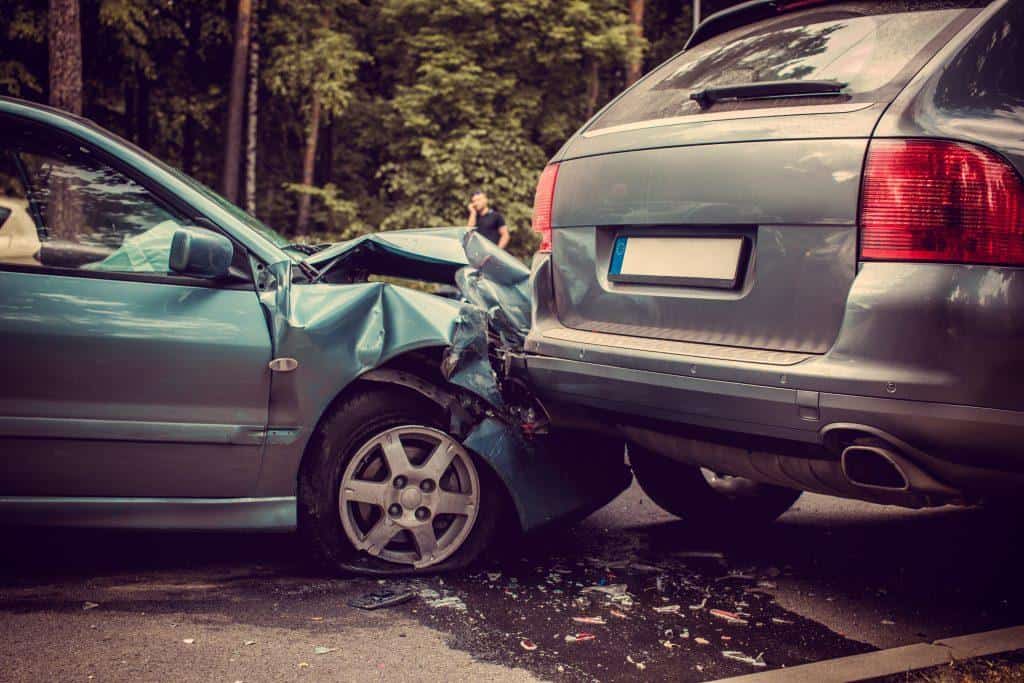
Few car accidents in Los Angeles are as simple as one driver doing everything wrong and the other doing everything right. A driver runs a yellow light on Wilshire while another is checking a navigation screen. A merging driver on the 405 misjudges a gap while the other car is traveling well over the speed limit. In real crashes, fault is often spread around.
California’s answer to that reality is a rule called pure comparative fault. It ranks among the key ideas for anyone injured in a crash, yet it confuses many people.
The Core Rule in Plain Terms
Under pure comparative fault, an injured person’s compensation shrinks in proportion to the blame assigned to them, but it is not eliminated. A person found 20% at fault can still recover 80% of their damages. A person found 70% at fault can still recover 30%.
California adopted this approach through the California Supreme Court’s 1975 decision in *Li v. Yellow Cab Co.*, which replaced the older contributory negligence rule. Under that earlier rule, any fault at all on the injured person’s part could bar recovery entirely.
This makes California more forgiving than many states. Neighboring systems often use a modified rule, where an injured person who crosses a fault threshold, commonly 50% or 51%, recovers nothing. California has no such cutoff.
How Percentages Get Assigned
There is no formula that automatically assigns fault. Insurers, and if a case goes that far, juries, weigh the evidence and decide how responsibility should be divided. Evidence that often shapes those numbers includes:
- Traffic collision reports and any citations issued
- Dashcam or nearby surveillance footage, which is common in a dense city like Los Angeles
- Vehicle damage patterns that suggest angle and speed of impact
- Event data recorder information from modern vehicles
- Witness statements, particularly from people with no connection to either driver
- Phone records, in cases where distraction is alleged
Because the percentage directly affects the payout, each piece of evidence, even a single photo or a short witness note, can carry real financial weight. Injured people weighing their options often consult The Ryan Law Group car accident attorneys or other local counsel specifically because the fault split is where many claims are won or lost.
Where Insurers Push Back
Insurance adjusters understand comparative fault well, and they use it. A common strategy is to suggest that the injured person bears a meaningful share of the blame, which reduces what the insurer owes.
Typical arguments include:
- Speed. Even modest speeding can be framed as a contributing factor.
- Distraction. Any phone activity near the time of the crash may be raised.
- Seat belt use. Not wearing a seat belt may be argued to have worsened injuries, even if it did not cause the crash.
- Delayed medical care. Gaps in treatment may be cited to argue injuries were less serious or came from something else.
- Recorded statements. Casual comments made to an adjuster soon after a crash, such as “I didn’t see them,” can be quoted later.
Knowing these patterns helps injured people avoid handing over easy arguments.
A Worked Example
Imagine a collision at an intersection in Koreatown. Driver A turns left on a flashing yellow arrow. Driver B, approaching from the opposite direction, is traveling 10 miles over the limit. Driver A suffers $100,000 in medical bills, lost wages, and other losses.
If the evidence shows Driver A failed to yield but Driver B’s speed contributed, the parties might eventually agree on a split such as 60% for Driver A and 40% for Driver B. Under pure comparative fault, Driver A could still recover $40,000 from Driver B’s side. Under a modified system with a 50% bar, Driver A would recover nothing.
This is simplified, of course. Real cases involve disputes over the total damages as well as the percentages. But it illustrates why the fault split is so heavily contested.
Multiple Parties Complicate the Math
Some crashes involve more than two vehicles, a commercial truck, a rideshare driver, or even a public entity responsible for road design or signals. When several parties share fault, each one’s percentage is allocated separately.
California treats economic and non-economic damages differently in multi-defendant cases. Each defendant’s responsibility for non-economic damages, such as pain and suffering, is generally limited to its own percentage of fault. Economic damages, like medical bills and lost wages, can be handled differently. These rules affect strategy, particularly when one defendant has limited insurance.
Claims against government agencies also come with separate, much shorter notice requirements, which is another reason to identify all potentially responsible parties quickly.
Deadlines Still Apply
Comparative fault does not change the filing deadline. California generally requires personal injury lawsuits to be filed within two years under Code of Civil Procedure section 335.1. Waiting for negotiations to play out without tracking that date is a common and avoidable mistake.
Protecting Your Share
Practical steps that help keep a fault percentage fair include:
- Photograph the scene, both vehicles, traffic signals, and road conditions
- Collect contact information for witnesses before they leave
- Seek medical evaluation promptly and follow through with treatment
- Avoid speculating about fault in conversations with insurers
- Preserve your own dashcam footage and request footage from nearby businesses quickly, since many systems overwrite recordings within days
- Keep a short daily journal of pain levels, missed work, and activities you had to skip, because it helps show the full extent of the harm
- Read any recorded-statement request or settlement release carefully before agreeing to it, since wording about how the crash happened can later be quoted back during fault negotiations
For a broader explanation of how fault-sharing rules vary from place to place, this overview on decoding comparative negligence in personal injury cases offers helpful context.
Final Thoughts
Pure comparative fault is good news for people injured in Los Angeles crashes because it means partial blame does not end a claim. It also means the fight often moves to the percentages themselves. Every photo, record, and witness can shift that number, and with it, the amount of compensation that ultimately reaches the injured person.
Informational content; it does not create an attorney-client relationship.

