


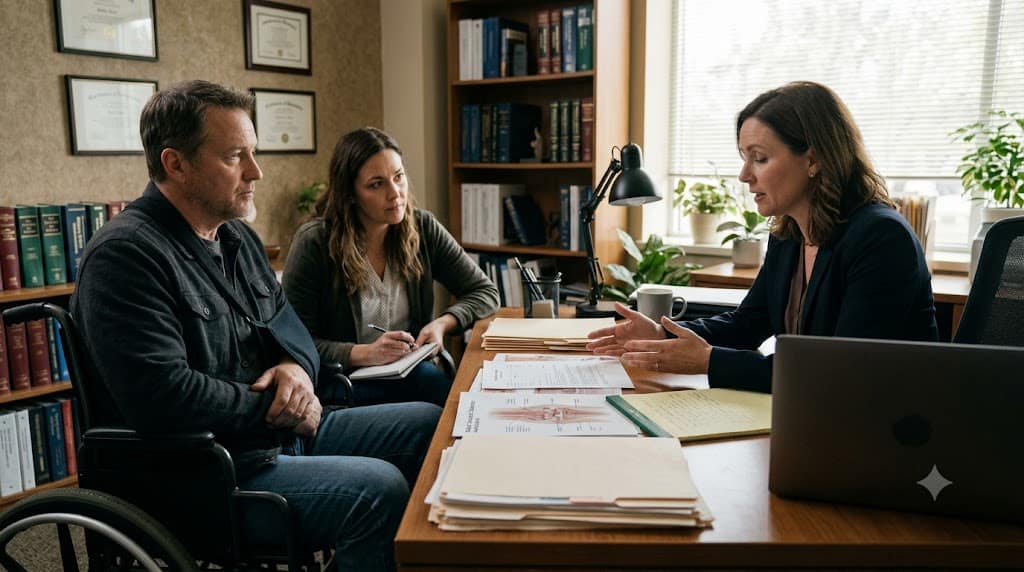
When pursuing a personal injury claim in New Jersey, evidence often determines whether an injured person receives fair compensation or struggles to prove their case. Even when liability may seem obvious to everyone involved, insurance companies and defense attorneys frequently challenge claims by questioning how an accident occurred, the severity of injuries sustained, or the extent of financial losses involved.
For this reason, preserving strong evidence from the earliest stages of a case is essential to your success. “The more credible and comprehensive the evidence you can gather, the stronger a claimant’s position may be during settlement negotiations or litigation,” says Andrew Statmore of Fredson Statmore Bitterman.
Why Evidence Matters in Personal Injury Cases
In any personal injury case, the injured party generally bears the burden of proving that another person or entity acted negligently and that the negligence caused compensable harm to them. Evidence forms the foundation for establishing the facts judges and juries consider. Without sufficient evidence, even a legitimate injury claim may face significant obstacles and challenges. Insurance companies often look for inconsistencies, missing documentation, or gaps in the record that they can use to reduce or deny compensation unfairly.
Accident Scene Photographs and Videos
Photographs and videos taken shortly after an accident are often among the most persuasive forms of evidence available. Visual documentation can capture details that may later disappear, including vehicle damage, hazardous property conditions, skid marks, weather conditions, debris, or defective equipment.
These images can help establish how an incident occurred and provide a clearer picture of the circumstances surrounding the injury. In many cases, accident scenes change quickly after the fact. Vehicles are repaired, dangerous conditions are corrected, and physical evidence may no longer exist by the time a claim is investigated thoroughly.
Medical Records and Treatment Documentation
Medical evidence is frequently the most important component of a personal injury claim. Medical records help establish the connection between the accident and the injuries sustained. They also document diagnosis, treatment, prognosis, and ongoing medical needs.
Seeking prompt medical attention after an accident is critical for your health and your case. Delays in treatment may give insurance companies opportunities to argue that injuries were unrelated to the incident or not as serious as claimed.
Witness Statements Can Strengthen a Claim
Independent witnesses can provide objective accounts of what occurred before, during, and after an accident. Because they generally have no financial interest in the outcome of the case, judges may place considerable weight on their statements.
Witness memories, however, can fade quickly and disappear entirely. Individuals may relocate, change contact information, or become difficult to locate months after an accident. Obtaining witness names and contact information as early as possible can help preserve valuable testimony for your case.
Surveillance Footage and Electronic Evidence
Modern technology has transformed the way personal injury claims are investigated. Surveillance cameras, dash cameras, doorbell cameras, and business security systems frequently capture incidents that become the subject of injury claims. Video footage often provides an unbiased record of events and may eliminate disputes regarding fault.
However, electronic evidence is not always retained indefinitely. Many businesses automatically overwrite surveillance recordings after a relatively short period. Act quickly when potential video evidence exists. Electronic evidence may also include text messages, emails, GPS data, and digital communications.
Employment and Financial Records
Compensation in personal injury cases often extends beyond medical expenses. Injured individuals may seek recovery for lost income, reduced earning capacity, and other financial losses resulting from the accident.
Employment records can document missed work, salary history, job duties, and benefits. Pay stubs, tax returns, employer correspondence, and attendance records may all serve as important evidence when calculating damages.
Conclusion
Strong evidence is often the key to a successful New Jersey personal injury claim. From accident scene photographs and medical records to witness testimony and electronic evidence, every piece of documentation can help establish liability and prove damages. If you have been injured in an accident in New Jersey, contact an experienced New Jersey personal injury attorney today to preserve critical evidence and pursue the compensation you may deserve.

