


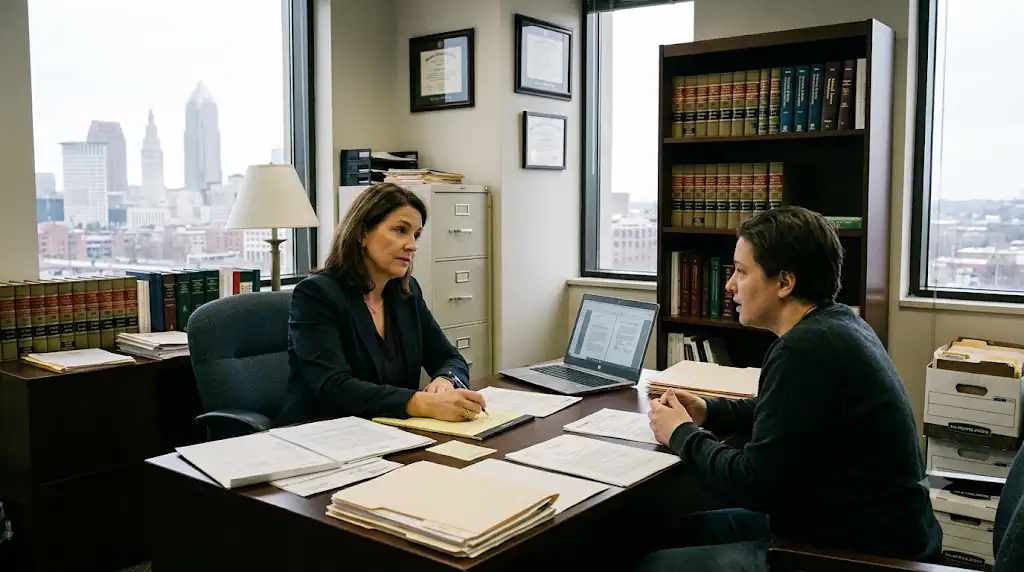
Cleveland, Ohio, is a legal center where serious criminal accusations can move quickly from an investigation to hearings in Cuyahoga County courts. For someone caught in that process, the stakes can feel immediate, especially when investigators gather records, question witnesses, and a single poorly considered response can complicate what comes next. Legal counsel brings structure to that uncertainty by examining how the case began, identifying deadlines, and determining which facts require closer scrutiny. A serious criminal charge can affect your freedom, family, employment, housing, and future before a court reaches a verdict.
In the first days, you may face police contact, court notices, damaging assumptions, and pressure to explain events before the full record is clear. People searching for Cleveland lawyers defending sex offense charges may need guidance that accounts for both the courtroom process and the sensitive nature of the allegations. A defense lawyer can challenge unsupported claims, protect constitutional rights, and shape decisions around evidence rather than fear or public opinion.
Protecting Rights From the First Contact
A defense lawyer first determines what happened and what authorities have already collected. That review includes arrest records, charging documents, warrants, interview requests, digital communications, witness accounts, and any statements made during the investigation. The lawyer also explains when to remain silent and how to avoid actions that create new evidence for the prosecution.
When allegations involve a minor, the investigation often carries serious personal and legal consequences before trial. A lawyer reviews the alleged conduct, the parties’ ages, the timeline, communications, and the charge’s precise wording. People defending sex offense charges need counsel who can examine those details, identify disputed facts, and respond before assumptions control the case.
Testing the Prosecution’s Evidence
The prosecution must prove each required element of the offense. Defense counsel examines whether the evidence supports those elements or leaves important gaps. A lawyer can compare witness statements, identify inconsistent accounts, question the reliability of identification, and assess whether investigators collected information fairly.
Physical and electronic evidence also require careful review. Messages, photographs, location data, recordings, and social media posts can lose context when presented selectively. A defense lawyer checks how evidence was obtained, preserved, interpreted, and connected to the accused. Improper searches, unreliable statements, or missing records can affect whether evidence remains usable in court.
Building a Focused Defense Theory
A defense strategy should answer the actual allegations rather than rely on broad claims. Depending on the facts, the strategy can address mistaken identity, lack of intent, consent where legally relevant, unreliable testimony, an inaccurate timeline, or conduct that does not satisfy the charged offense. The lawyer also identifies facts that support the client without overstating what the evidence proves.
This work requires direct communication. Clients should provide a complete timeline, preserve relevant records, and disclose difficult facts privately to counsel. Withholding information can prevent the lawyer from preparing for evidence that the prosecution later introduces. Honest communication gives the defense time to investigate weaknesses and prepare a response.
Managing Court and Case Decisions
Severe charges create decisions about hearings, negotiations, motions, trial preparation, and possible sentencing exposure. A defense lawyer explains the purpose and risk of each step in straightforward language. The client then has a clearer basis for deciding whether to pursue a negotiated resolution or continue toward trial.
Court appearances also require preparation. Counsel reviews possible testimony, courtroom procedures, exhibits, and questions that could arise during cross-examination. A lawyer works to prevent avoidable violations of release conditions, missed appearances, or direct contact with witnesses. Minor procedural mistakes can create problems unrelated to the underlying facts.
Challenging Unlawful Investigations
Police conduct can affect the criminal case as much as the allegations themselves. A defense lawyer reviews whether officers had lawful grounds to stop, search, arrest, or question the accused. The review also considers whether authorities obtained a warrant, followed its limits, and accurately recorded what occurred.
When a constitutional violation affected the evidence, counsel can file the appropriate motion and present the issue to the court. The result depends on the facts and the governing rules. Even when a challenge does not end the case, it can clarify what evidence the prosecution can use and narrow the issues for later proceedings.
Addressing Personal Consequences
A severe charge can disrupt work, education, family relationships, immigration matters, housing, and professional licensing. A defense lawyer identifies these concerns early so legal decisions account for practical consequences. The lawyer can also explain which statements, travel choices, online posts, or contact with involved people could create additional risks.
Clients should keep court papers, release conditions, employment records, and relevant communications in one secure location. They should avoid discussing the case publicly or posting about witnesses and alleged events.
Preparing For Trial Or Resolution
Trial preparation involves more than reviewing the charging document. Counsel organizes exhibits, interviews witnesses, evaluates expert issues when needed, and prepares objections and cross-examination themes. The defense also tests how a jury or judge could interpret each disputed fact.
If resolution becomes possible, the lawyer compares the proposal with the evidence, the likely trial issues, and the consequences of a conviction. No promise can replace a fact-based assessment.
Conclusion
A defense lawyer’s work begins before the courtroom and continues through every decision that affects the case. The most practical first step is to avoid public explanations, preserve relevant records, and provide counsel with a complete account of events. Prompt legal review gives the defense time to test the evidence, protect constitutional rights, and choose a response grounded in the actual record.

