


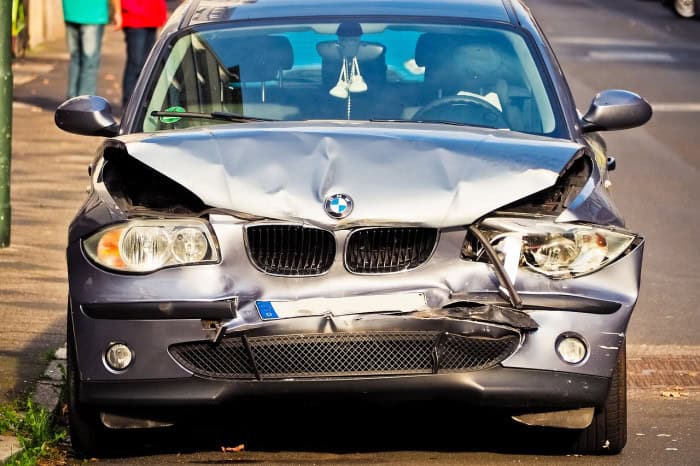
Every Chicago winter brings the same scenes: cars sliding through intersections on Western Avenue, chain-reaction collisions on the Kennedy, and drivers insisting that the ice, not them, caused the crash. That last claim rarely works the way people expect. Under Illinois law, bad weather is usually treated as a condition drivers must adjust to, not an excuse that wipes away responsibility.
For anyone hurt in a winter collision, understanding how weather fits into the fault analysis, and how Illinois splits blame between drivers, can make a major difference in what a claim is worth.
Weather Is Rarely a Defense by Itself
Drivers are expected to operate at a speed and distance that is reasonable for current conditions. On a dry July afternoon, a certain following distance may be fine. On a January morning with black ice, the same distance can be careless.
That is why “I couldn’t stop” is often an admission rather than a defense. Investigators and insurers tend to ask:
- How fast was each driver going compared to conditions, not just the posted limit?
- How much space did the trailing driver leave?
- Were headlights on and windows fully cleared of snow and frost?
- Did either driver brake, swerve, or accelerate abruptly?
- Were tires in reasonable condition for winter driving?
A driver who slid into another car may still be largely at fault, even if they were under the speed limit, because conditions called for even more caution.
The 51% Line in Illinois
Illinois follows what is often called a modified comparative fault approach. Under 735 ILCS 5/2-1116, an injured person who is more than 50% responsible for their own injury cannot recover damages. If their share is 50% or less, they can still recover, but any award drops by the share of blame assigned to them.
In winter crash cases, this threshold matters a lot. Both drivers often made some choice that contributed: one followed too closely, the other braked hard on ice or changed lanes in slush. The fight over percentages can decide whether a claim is worth something substantial or nothing at all.
Picture a rear-end collision on a slushy Lake Shore Drive ramp: the trailing driver was too close, but the lead car stopped abruptly with no traffic ahead. Each side will argue the other crossed the line, and neither will accept the weather as the whole story. People trying to make sense of that line after a collision on snowy streets often turn to a car accident lawyer in Chicago because a few percentage points can determine whether recovery is possible.
When Someone Else Shares Responsibility
Not every winter crash is purely driver versus driver. Sometimes other parties play a role:
Commercial vehicles. Delivery vans, semi trucks, and plows may be operated under company policies about speed, routes, and maintenance. If a company pushed drivers to keep schedules despite dangerous conditions, that can matter.
Vehicle defects. Brake failures or tire problems may point toward a manufacturer or repair shop.
Government entities. Questions about snow removal, salting, or road design can arise, though claims against public bodies in Illinois involve special immunities and notice rules. These cases are complicated and fact-specific.
Identifying every possible contributor early helps ensure that fault is divided accurately rather than placed entirely on the drivers involved.
Evidence That Disappears With the Thaw
Winter evidence is unusually fragile. Ice melts, snow gets plowed, and skid marks fade. That makes the first hours after a crash especially important.
A practical evidence checklist:
- Photograph the road surface. Capture ice patches, slush, unplowed lanes, and salt (or the lack of it).
- Record the weather. Screenshots of a weather app showing temperature and conditions at the time can help.
- Document visibility. Take photos from the driver’s point of view, including any obstructions like snowbanks.
- Capture vehicle condition. Snow-covered windows or headlights on the other car can be relevant.
- Identify cameras. Businesses, CTA vehicles, and traffic cameras may have footage, but much of it is overwritten quickly.
- Get witness information. Other drivers and pedestrians may have seen how each car was moving before the crash.
After the Scene: Steps That Protect a Claim
Once everyone is safe, a few follow-up actions help preserve a claim:
- Seek medical evaluation, even for injuries that seem minor. Cold weather crashes often involve whiplash and back injuries that worsen over days.
- Notify your insurer, but avoid speculating about fault or minimizing symptoms in a recorded statement.
- Keep receipts for towing, rental cars, and medical care.
- Track missed work.
- Request a copy of the police crash report once it is available.
For a broader overview of what to do in the hours and days after a collision in the city, this guide on steps to take after a Chicago car accident covers the essentials.
The Filing Deadline
Illinois generally gives injured people two years to file a personal injury lawsuit under 735 ILCS 5/13-202. Claims involving public entities may require earlier notice or have shorter limits. Waiting until spring to think about a winter crash can eat into that time faster than expected.
How Insurers Approach Winter Claims
Adjusters know that weather complicates fault, and they may use it to argue that the injured driver should have been more careful. Common lines of argument include claims that the injured person was driving too fast for conditions, failed to clear their windows, or braked improperly.
Having documentation ready, especially photos, weather records, and witness accounts, makes it easier to respond to those arguments with facts rather than memories.
Final Word
Ice and snow are part of life in Chicago, and Illinois law expects drivers to adapt to them. Weather can explain how a crash happened, but it rarely decides who is responsible. With a 51% bar in play, the details of each driver’s choices, captured quickly before the evidence melts away, often determine whether an injured person recovers anything.
A Note on Rideshare and Delivery Vehicles
Winter traffic in Chicago includes a large number of rideshare cars and delivery vans that stay on the road no matter the weather. When one of them is involved, the available insurance can depend on what the driver was doing at that moment: waiting for a request, heading to a pickup, or carrying a passenger or package. Screenshots of the app status, trip receipts, and the name of the company the driver was working for all help sort out which coverage applies. Gathering those details at the scene saves a great deal of back-and-forth later.
General educational material; check current Illinois law for your situation.

