


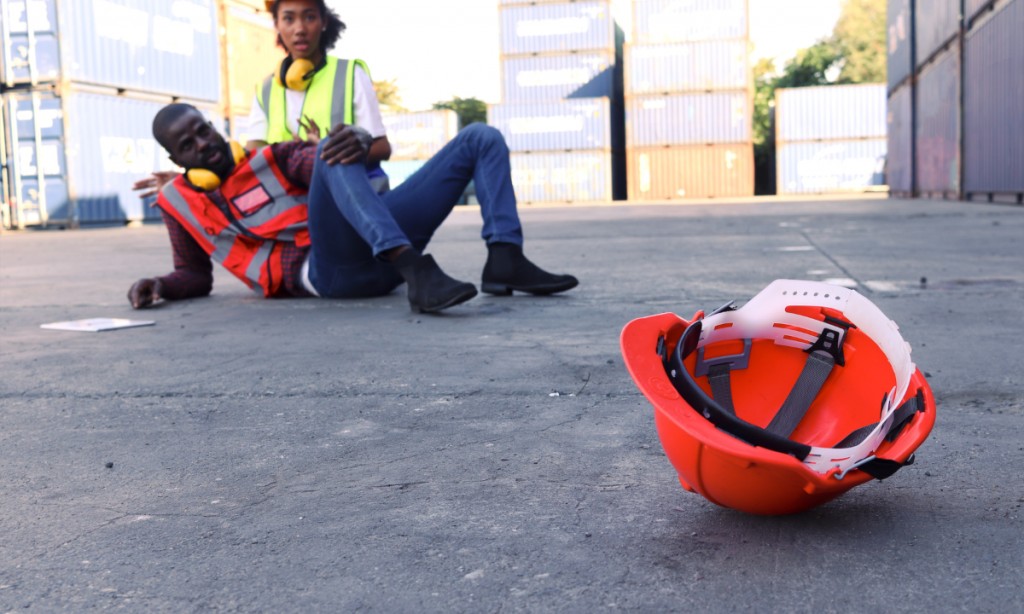
Construction work can build cities — but it also comes with serious risks. Whether you’re a laborer, subcontractor, or site visitor, it’s important to know the common dangers and how to stay safe. Many workers rely on an experienced NYC construction accident lawyer when accidents happen — because understanding the hazards and avoiding them is the first step toward staying safe.
Here are seven of the most common construction injuries — and practical ways to protect yourself or those you care about.
1. Falls from Height
Falls remain the top cause of fatalities and severe injuries on construction sites. Whether from scaffolds, ladders, roofs, or open floor edges, falls can lead to traumatic brain injury, spinal damage, broken bones, or worse.
How to protect yourself: Always use proper fall-protection gear (harnesses, guardrails, safety nets). Ensure scaffolding is secure and inspected, ladders are stable, and floor openings are guarded or covered. Never skip on safety equipment, even for brief tasks.
2. Being Struck by Objects
Construction sites are full of moving objects, swinging loads, tools, and building materials — any of which can fall or swing and injure someone below.
Preventive measures: Wear a hard hat at all times. Secure tools and materials when working above others. Use overhead netting or toe boards where possible, especially when working on multi-story sites. Keep walkways and work zones clear of debris.
3. Electrocution and Electrical Injuries
Exposed wiring, unfinished circuits, power tools, and proximity to live electrical lines make electrocution a serious danger at many job sites.
What to do: Always shut off power before working on circuits (use lockout/tagout procedures). Wear insulated gloves and boots. Ensure electrical equipment is properly maintained and grounded. Avoid working with electricity in wet conditions.
4. Caught-In / Caught-Between Accidents
Workers can get pinned, crushed, or trapped between heavy machinery, moving materials, collapsing walls or trenches, or inside shifting equipment — often with catastrophic results.
How to stay safe: Maintain safe distances from operating machinery. Use proper shoring and sloping for trenches and excavations. Never enter excavation sites without confirmation that they are stable and properly secured.
5. Machinery & Equipment Accidents
Heavy machinery — cranes, forklifts, backhoes, loaders — is essential on a site, but malfunction or misuse can cause crushing injuries, amputations, or fatal trauma.
Precautions: Only trained, certified operators should handle heavy equipment. Perform regular maintenance checks. Use safety guards, audible alarms, and clear communication before moving heavy loads. Make sure bystanders stay well out of machinery zones.
Safety Culture: What Every Worker (and Employer) Should Demand
- Training & awareness: Before starting any task — especially dangerous ones — workers should be trained properly, know the risks, and understand safety protocols.
- Proper equipment & maintenance: Helmets, harnesses, insulated tools, secure scaffolding — and regular inspections — save lives.
- Clear communication and site organization: Warning signs, designated walkways, communication between workers and equipment operators, and clean, uncluttered workspaces reduce many risks.
- Follow safety regulations and best practices: Regulations from bodies like OSHA exist for a reason. Following them strictly can prevent many of the most serious accidents.
When Accidents Happen — Having Legal Protection Matters
Even with every safety measure in place, accidents can — and do — happen. In those cases, having access to experienced legal representation can help ensure injured workers or their families get fair treatment and just compensation. Workers need help documenting evidence, determining liability, and holding negligent parties accountable. For those in New York, consulting an experienced NYC construction accident lawyer can make a critical difference.
Construction work builds lives — but it shouldn’t destroy them. By knowing the common hazards, staying alert, using proper safety gear, and demanding a culture of safety, workers can reduce risks significantly. When accidents do occur, understanding your rights and getting help promptly is essential. Stay safe — and stay informed.
Key Takeaways
- Falls, being struck by objects, electrocution, machinery accidents, and caught-in/caught-between incidents are the most common and dangerous construction injuries.
- Proper safety equipment, including helmets, harnesses, gloves, and protective footwear, is essential to prevent serious injuries.
- Awareness, training, and adherence to site safety protocols significantly reduce the risk of accidents.
- Maintaining a clean, organized, and well-communicated work environment helps prevent slips, trips, and other avoidable hazards.
- Even with precautions, accidents can happen — consulting an experienced NYC construction accident lawyer ensures injured workers can protect their rights and pursue fair compensation.

