


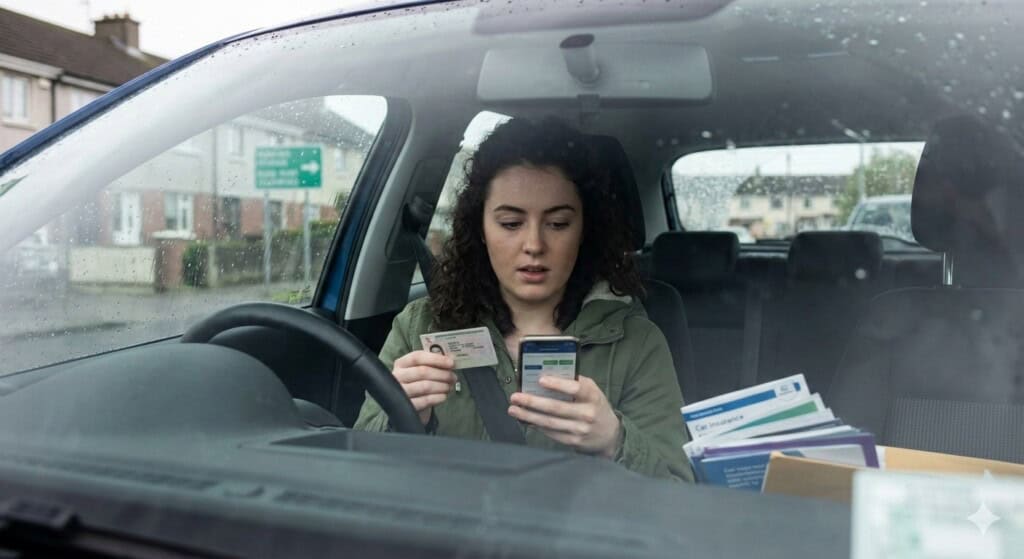
For many young people in Ireland, passing the driving test is a major milestone, a first taste of real independence. But while the freedom of the open road is exciting, the reality of young driver car insurance costs can come as a shock.
Young drivers consistently face some of the highest motor insurance premiums in the country. Industry data continues to show that motorists under 25 pay significantly more than older, experienced drivers. The reason? Risk. Statistically, younger drivers are more likely to be involved in collisions, particularly in their first few years behind the wheel.
So what exactly should young drivers know about getting insured in Ireland, and how can they avoid paying over the odds?
Why Is Car Insurance So Expensive for Young Drivers?
Insurance companies calculate premiums based on risk. Age, driving experience, location, vehicle type and driving history all play a role. For young drivers, there are several factors working against them:
- Limited driving experience
- No No-Claims Bonus (NCB)
- Higher accident rates among younger age groups
- Higher likelihood of driving at night or in groups
Even newly qualified drivers in their mid-to-late twenties may face higher premiums simply because they lack insurance history.
However, while the starting cost can be high, there are ways to manage it.
Understanding the Types of Cover Available
Before looking for savings, young drivers need to understand the three main types of car insurance in Ireland:
1. Third Party Only
This is the minimum legal requirement. It covers damage or injury you cause to others but does not cover damage to your own vehicle.
2. Third Party, Fire & Theft
This includes third-party cover plus protection if your car is stolen or damaged by fire.
3. Comprehensive Cover
This is the highest level of protection. It covers third-party damage and damage to your own car, even if you are at fault.
Contrary to popular belief, comprehensive cover is not always significantly more expensive for young drivers. In some cases, insurers may price it competitively because comprehensive policyholders statistically make fewer claims.
The Power of the No-Claims Bonus
One of the most important factors in reducing insurance costs over time is building up a No-Claims Bonus (NCB).
For every year you drive without making a claim, you earn a discount on future premiums. After five years, discounts can reach 60–70% with some insurers.
Young drivers should prioritise:
- Driving safely and defensively
- Avoiding small claims where possible
- Protecting their no-claims bonus if offered
Starting early and maintaining a clean record can significantly reduce costs within a few years.
Choosing the Right Car Matters
The type of car you drive has a major impact on your premium.
Generally, cheaper-to-insure cars are:
- Smaller engine sizes (1.0L–1.4L)
- Lower insurance groups
- Equipped with modern safety features
- Not heavily modified
- Lower market value
High-performance vehicles, modified cars, or cars associated with higher theft rates will push premiums upward.
For young drivers buying their first car, insurance quotes should be checked before purchasing the vehicle. A car that seems affordable upfront may carry a premium that makes it unaffordable overall.
Telematics (Black Box) Insurance: Worth Considering?
Telematics insurance, sometimes called “black box” insurance, has grown in popularity among younger motorists.
These policies use a device or mobile app to monitor driving behaviour, including:
- Speed
- Braking patterns
- Acceleration
- Time of day driving
- Distance travelled
Safe driving can lead to reduced premiums over time. For responsible young drivers, telematics can be an effective way to prove they are lower risk than their age group suggests.
However, drivers should be aware that poor driving behaviour could limit discounts or result in higher renewal quotes.
Named Driver vs Main Policyholder
Some families consider adding a young driver as a named driver on a parent’s policy to reduce costs. While this can be legitimate in certain cases, it must reflect who is actually the main driver of the vehicle.
“Fronting”, where a parent claims to be the main driver when the young person primarily uses the car, is illegal and can invalidate the policy. If discovered, insurers may refuse claims and cancel cover, making it harder and more expensive to obtain insurance in the future.
Young drivers who own and use their own vehicle should usually be the main policyholder.
Practical Ways to Reduce Premiums
While age cannot be changed, there are several steps young drivers can take to reduce insurance costs:
Shop Around Every Year
Premiums vary significantly between providers. Comparing quotes is essential.
Increase Your Voluntary Excess
Choosing a higher excess (the amount you pay towards a claim) can reduce your premium, but only if you can afford it in the event of a claim.
Limit Your Mileage
If you drive fewer kilometres annually, insurers may offer lower rates.
Improve Security
Parking in a driveway instead of on the street, installing alarms or immobilisers, and choosing safer neighbourhoods can influence pricing.
Pay Annually if Possible
Monthly instalments often include interest or administration fees. Paying in full can be cheaper overall.
What Happens If You Drive Without Insurance?
With high premiums, some young drivers may feel tempted to take the risk of driving uninsured. This is a serious mistake.
Driving without insurance in Ireland can result in:
- Significant fines
- Penalty points
- Disqualification from driving
- Vehicle impoundment
- A criminal conviction
Authorities have increasingly used technology such as automatic number plate recognition (ANPR) to identify uninsured drivers. Thousands of vehicles are seized each year due to lack of cover.
Beyond legal consequences, an uninsured driver involved in an accident may face personal liability for medical bills, vehicle repairs and compensation claims, potentially running into tens or hundreds of thousands of euro.
The Long-Term View: It Gets Cheaper
The good news for young drivers is that insurance costs typically reduce with age and experience. By maintaining a clean driving record and building up a no-claims bonus, many drivers see substantial drops in premiums by their mid-to-late twenties.
Patience and safe driving pay off.
Final Thoughts: Knowledge Is Your Best Protection
For young drivers in Ireland, car insurance may feel like a financial hurdle at the start of their motoring journey. But understanding how premiums are calculated, and how to reduce them, can make a significant difference.
Choosing the right car, driving responsibly, comparing policies carefully and avoiding shortcuts such as uninsured driving are all crucial steps.
Car insurance is not just a legal requirement, it is financial protection. For young motorists starting out, making informed decisions now can save thousands of euro over the coming years and set the foundation for safer, more affordable driving.
Before buying a car or renewing a policy, take time to compare options and read the small print. The right choice today could shape your driving costs for years to come.

