


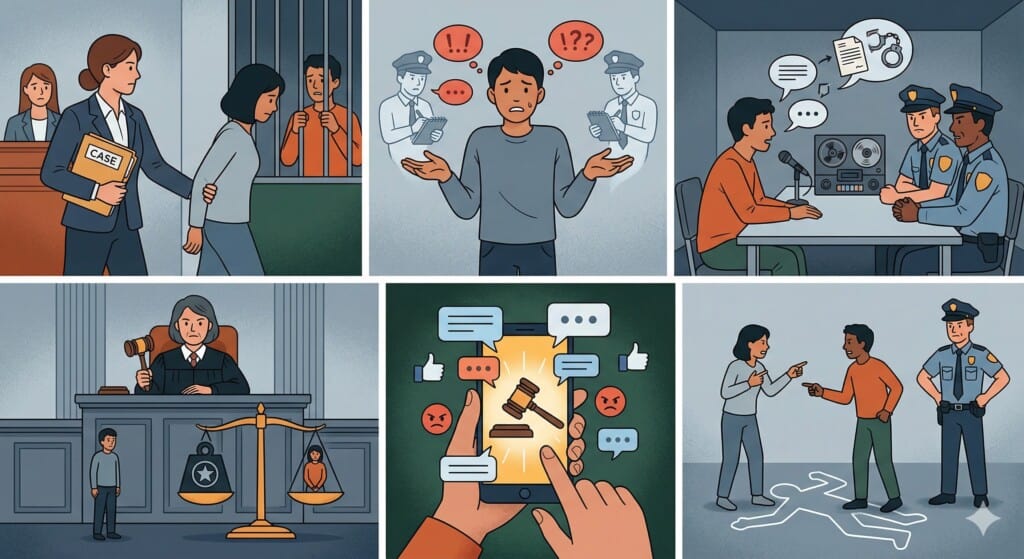
Misunderstandings about the legal system can lead to costly mistakes, especially when emotions are high and the stakes are serious. Many people rely on advice from friends, online forums, or assumptions that simply are not accurate. Speaking with a domestic assault lawyer early can help clarify what is true and what is not, but until then, believing the wrong information can negatively affect decisions, statements, and outcomes. Below are some of the most common myths that can hurt a case and what individuals should know instead.
The Alleged Victim Can Drop the Charges
One of the most widespread myths is that the person who made the complaint can simply drop the charges. In reality, once charges are filed, the case is in the hands of the prosecutor, not the alleged victim. Even if the complainant wants the case dismissed, the prosecution may continue if they believe there is enough evidence. Relying on this misconception can lead to inaction at a critical time.
If There Are No Injuries, There Is No Case
Many assume that a lack of visible injuries means there is no valid charge. This is incorrect. Domestic assault cases can be based on threats, fear, or minimal physical contact. Police and prosecutors often rely on statements, witness accounts, and other forms of evidence. Assuming the case will fall apart without injuries can result in a lack of proper preparation.
Telling Your Side to Police Will Clear Things Up
It is natural to want to explain what happened, especially if the situation feels unfair. However, speaking to police without legal guidance can sometimes do more harm than good. Statements made in the moment may be incomplete, emotional, or misinterpreted. Once said, those statements can be used in court, even if they were meant to help.
This Is Just a Minor Dispute
Some people believe that domestic assault charges are treated less seriously than other criminal matters. In reality, courts often approach these cases with significant concern due to the potential for ongoing harm. Even a first-time charge can carry serious consequences, including restrictions, mandatory conditions, and a lasting record.
Social Media Will Not Affect the Case
Posting about the situation online might seem harmless, especially when trying to share a personal perspective. However, social media activity can be used as evidence. Comments, photos, and messages may be taken out of context or contradict a defense. What feels like a private or casual post can quickly become part of a legal argument.
If Both People Were Involved, It Cancels Out
Another common belief is that if both parties participated in an argument or physical interaction, neither can be charged. This is not how the law works. Police may determine that one person was the primary aggressor, or in some cases, both individuals could face charges. Assuming mutual involvement cancels responsibility can be a serious mistake.
Conclusion
Domestic assault charges carry complex legal and personal consequences, and relying on myths can make an already difficult situation worse. Acting on incorrect assumptions may limit options, weaken a defense, or lead to unintended outcomes. Taking the time to understand how these cases actually work and making informed decisions early can have a meaningful impact on the direction of a case.

