


Table of Contents
- Understanding Mediation
- Benefits of Mediation
- Mediation in Different Contexts
- The Role of Mindfulness in Mediation
- AI and the Future of Mediation
- Final Thoughts
Conflicts are a natural part of life, whether they arise in families, workplaces, or larger communities. Yet, the manner in which they are addressed significantly shapes relationships and overall harmony. Traditional litigation often intensifies disputes, prolonging disagreements and escalating animosity. In recent years, mediation has emerged as a preferred alternative, presenting a collaborative approach where communication, empathy, and practical solutions take center stage. Those seeking Florida mediation services are turning to mediation as a proactive way to address issues while protecting relationships and striving for mutually beneficial resolutions.
Mediation differs from courtroom battles by providing individuals with a space to express themselves, hear the opposing party, and work together towards a mutually beneficial compromise. As a result, it not only resolves disputes but also fosters trust and understanding. The increasing recognition of mediation has led to its adoption by companies, families, and even communities as they attempt to address complex social challenges. This expansion is driven by a growing awareness of the emotional and relational costs associated with prolonged conflict.
By focusing on problem-solving and open communication, mediation offers hope in settings where ongoing relationships and confidentiality matter. The confidential nature of mediation, combined with the guidance of an impartial facilitator, encourages candor while minimizing stress and public scrutiny often associated with litigation. This unique environment makes it especially relevant for those navigating recurring or interconnected disputes.
Understanding Mediation
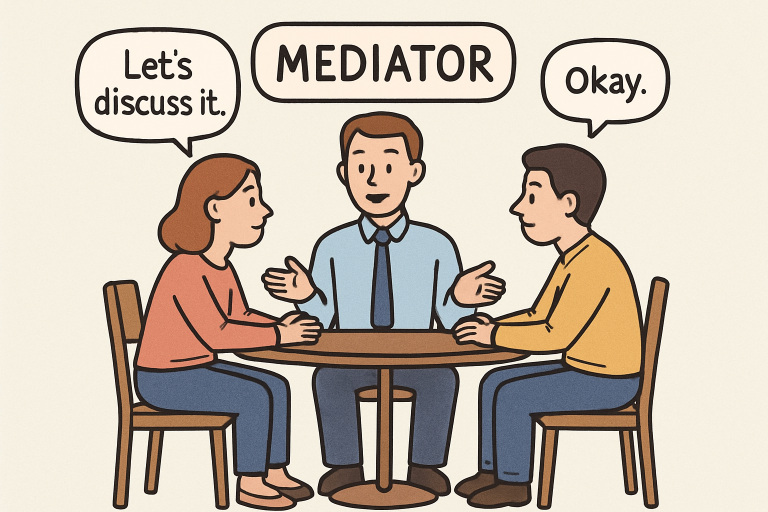
Mediation is a structured process guided by a neutral third party, known as the mediator, who helps disputing individuals communicate clearly and negotiate mutually beneficial agreements. This facilitator does not render judgments or decide outcomes; instead, they empower all parties to discuss their needs, interests, and objectives. Mediation stands apart as a “party-centered” approach, with an emphasis on fostering mutual understanding and creative problem-solving. Instead of a winner-takes-all outcome, all participants work toward a resolution that meets shared interests and preserves ongoing relationships.
The informal setting of mediation encourages voluntary participation and honest dialogue. As a result, parties are more engaged and invested in both the process and the outcome. This engagement helps reduce feelings of resentment that often linger after court-imposed decisions, making mediation an ideal solution for personal, professional, and even community disputes.
Benefits of Mediation
- Cost-Effective: Proceedings move swiftly, avoiding the high costs and lengthy delays typically associated with litigation.
- Confidentiality: Mediation takes place in private, ensuring sensitive matters stay out of the public eye and encouraging forthright dialogue without fear of wider repercussions.
- Control: Participants shape the outcome, leading to solutions tailored to their unique circumstances—far different from the one-size-fits-all judgments of a court.
- Preservation of Relationships: By facilitating understanding and respect, mediation protects and often strengthens relationships, a benefit that’s particularly vital when parties must continue to interact post-dispute.
Research published by the American Bar Association notes that mediation not only yields high satisfaction rates but also spurs greater voluntary compliance with agreements, reducing the likelihood of future conflict.
Mediation in Different Contexts
- Family Disputes: Divorce, child custody, and elder care matters often involve emotional complexity. Mediation offers a dignified forum for listening, understanding, and reaching mutually agreed-upon solutions—preserving family bonds wherever possible.
- Workplace Conflicts: Conflict at work can impede productivity and morale. Mediation provides a practical approach for employees and management to voice their issues candidly and work toward solutions that benefit all, ultimately leading to a healthier workplace culture.
- Community Disagreements: Issues like property or noise disputes can tear neighborhoods apart. Mediation helps de-escalate these tensions through face-to-face dialogue, nurturing community cohesion and shared responsibility.
The Role of Mindfulness in Mediation
Mindfulness is transforming meditation by cultivating self-awareness and emotional regulation in all participants. Integrating mindfulness enables mediators and parties to remain present, acknowledge their feelings without judgment, and respond thoughtfully—crucial for navigating high-emotion disagreements. Practicing mindfulness can help prevent negative emotions from overwhelming discussions, leading to clearer communication and more sustainable agreements. Legal professionals integrating mindfulness strategies report better outcomes and improved client satisfaction, as discussed in research featured by the American Psychological Association.
AI and the Future of Mediation
Artificial Intelligence is reshaping mediation by offering new tools for dispute analysis, communication, and resolution. AI-powered technology can facilitate simulated negotiations, provide feedback on communication styles, and offer real-time suggestions for mediators and participants. Scholars from Scientific American describe how machine learning and natural language processing are being integrated into online dispute resolution, thus making mediation more accessible and scalable. These innovations allow mediators to focus on the human aspects of conflict while leveraging technology to manage procedural details and routine communication.
Final Thoughts
Mediation stands as a transformative tool for resolving disputes, bridging differences, and promoting collaboration across all aspects of society. By prioritizing communication, mutual understanding, and tailored solutions, mediation helps individuals, families, and organizations move forward constructively after conflicts of any kind. As mindfulness becomes more deeply embedded in the practice and as AI improves access to technologically assisted solutions, the future of mediation is bright—offering hope for peaceful resolution even in an increasingly complex world.
