
Key Takeaways
- Assess your full financial picture early, including income, expenses, debt, and savings, before starting your home search.
- Strong credit, a realistic budget, and reduced debt improve mortgage options and long-term affordability.
- Planning for down payments, closing costs, and ongoing home expenses helps ensure a smoother, less stressful path to homeownership.
For many, buying a home is one of life’s most exciting and daunting ventures. It’s a process that requires careful financial planning, patience, and attention to detail. Understanding your financial readiness ensures the experience is as smooth as possible. Before starting your house hunt, taking the right steps can help you achieve your dream of homeownership with less stress and more confidence. Partnering with trusted professionals like Newtown, CT real estate experts Around Town Real Estate can make navigating the process easier and more informed.
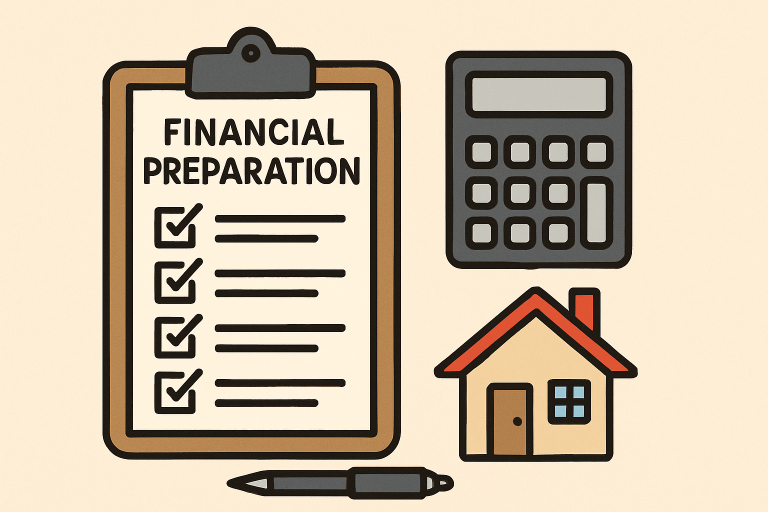
Proper financial preparation goes beyond just saving for a down payment. It means reviewing your personal finances, optimizing your credit score, and building financial habits that set you up for success. These foundational steps can position you as a serious contender in a competitive market and prepare you for the responsibilities of owning a home.
From understanding your spending habits to mapping out long-term property expenses, solid financial groundwork allows buyers to enter negotiations confidently. Homeownership brings with it ongoing costs and potential surprises, so the early groundwork pays off over time with greater peace of mind.
Approaching the home-buying process methodically will help you see the big picture. Taking time to double-check your finances, knowing what you can truly afford, and preparing for future costs are all integral to a successful transition from renting to owning. Starting strong financially is the backbone of long-term homeowner happiness and security.
Assess Your Financial Health
Track Income, Expenses, and Debts
Assessing your financial situation is the first crucial step to buying a home. Start with an honest review of your monthly income, fixed commitments, variable expenses, and savings. Calculate your current debts, including credit card balances, auto loans, student loans, and any other obligations. A thorough understanding of your net financial situation will help you establish an affordable price range for your future home and avoid taking on too much mortgage debt.
It may help to use digital budgeting tools or personal finance apps to get a precise picture of your finances. Having everything documented allows you to set realistic expectations as you start your home search.
Check and Improve Your Credit Score
Why Credit Matters
Your credit score is a major factor in the mortgage approval process. Lenders use it to gauge your history of repaying debt and your reliability as a borrower. A higher score often means lower interest rates and better loan terms, directly affecting your monthly payments and the total cost of your loan.
How to Improve Your Score
Check your credit report from all three major bureaus to identify errors or areas to improve. If your score needs work, actions such as paying bills on time, keeping credit card balances low, and avoiding new credit inquiries can help boost your score over the months leading up to your home purchase.
Determine Your Budget
Calculate Affordability
Setting a realistic budget is key to avoiding the disappointment of falling in love with homes you cannot afford. Be sure to consider more than the sticker price; factor in the down payment, closing costs, property taxes, homeowner’s insurance, private mortgage insurance (PMI), and ongoing maintenance expenses.
The 28% Rule
Many financial advisors recommend that your monthly housing costs should not exceed 28% of your gross monthly income. While this rule is helpful, rising home prices and fluctuating mortgage rates may necessitate some flexibility. Ultimately, your budget should reflect your current and projected financial landscape, including job stability, family plans, and other long-term commitments.
Save for a Down Payment and Closing Costs
Start building your savings as early as possible. Although a 20% down payment is considered ideal to avoid PMI and secure better loan rates, many lenders offer options for lower down payments, particularly for first-time buyers. Be aware that a higher down payment also lowers your monthly payment, which can be significant over the life of your loan.
Additionally, set aside funds for closing costs, which typically range from 2% to 5% of the home’s purchase price. Consider these costs when setting your homebuying timeline and financial goals.
Reduce Existing Debt
Lowering your debt-to-income (DTI) ratio is essential for mortgage eligibility and favorable terms. Start by paying off high-interest debt such as credit cards or personal loans. A lower DTI indicates to lenders that your finances are under control, increasing your chances for approval and potentially securing better loan terms. Systematic debt reduction also means less financial stress as you transition into homeownership.
Avoid Major Financial Changes
Lenders value stability. Avoid changing jobs, taking on new debts, or making significant purchases, like a car or furniture, until after you close on your home. Major moves can raise red flags during the underwriting process and jeopardize your loan approval.
Get Pre-Approved for a Mortgage
A pre-approval letter signals to sellers and agents that you are a serious, qualified buyer. It also lets you understand how much you can borrow, making it easier to shop within your true budget. The pre-approval process can uncover financial issues before you enter negotiations, giving you time to address them proactively and strengthening your offers.
Plan for Additional Expenses
Owning a home comes with regular expenses, including utilities, maintenance, appliance replacements, landscaping, and property taxes. It’s smart to budget for these recurring costs and set aside an emergency fund for unexpected repairs. Proactive financial planning ensures you’re prepared for life’s surprises and can enjoy your new home stress-free.
Final Thoughts
Thorough financial preparation is an essential first step toward homeownership. By evaluating your finances, bolstering your credit, managing debt, and budgeting realistically, you can approach the home-buying journey with confidence. Taking these steps will help you secure better mortgage terms and create a stable foundation for long-term financial health and homeowner success.

