


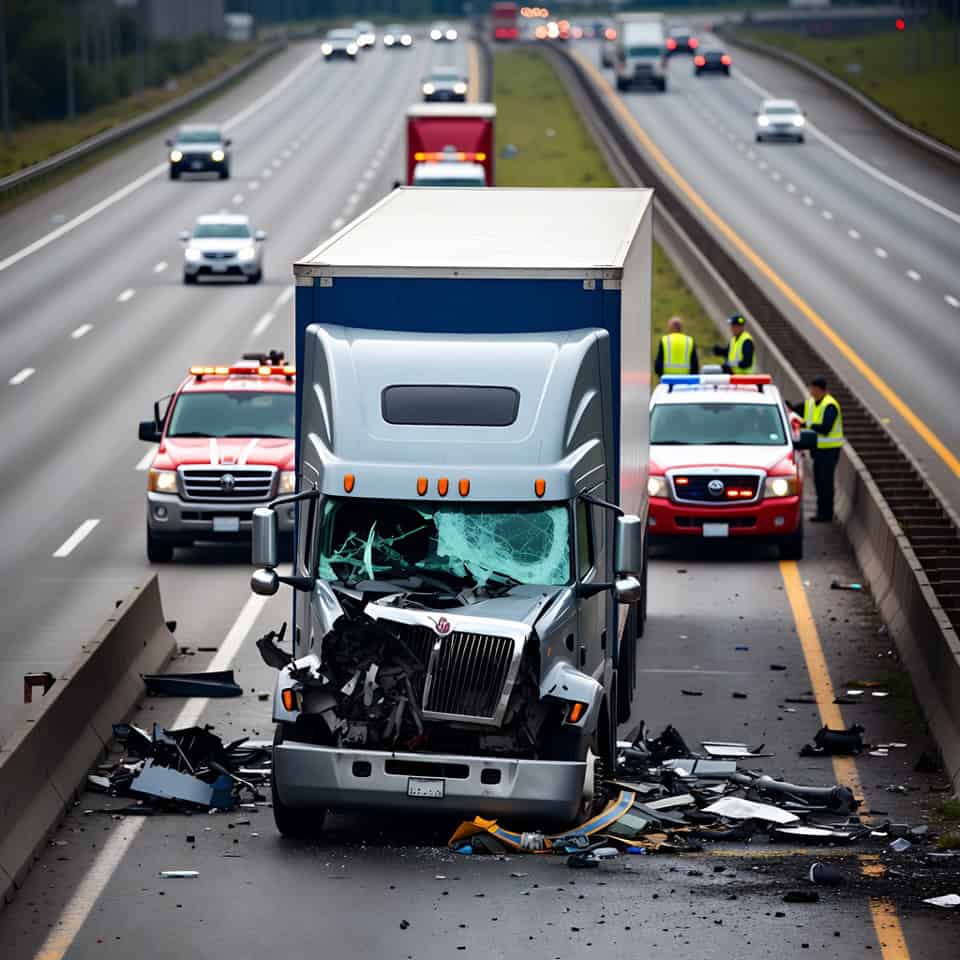
Stamford sees a steady flow of commercial traffic moving through its roads each day, from delivery vehicles to long-haul trucks passing between major routes. When something goes wrong involving a truck, the impact is often far more serious than a standard collision. The size and weight involved can turn a routine drive into a life-altering event within seconds. In the aftermath, confusion tends to set in quickly. Details blur, accounts differ, and important information can disappear if it is not identified early.
Evidence plays such a central role in truck accident claims, which is why many people turn to a truck accident lawyer in Stamford for guidance. These cases are rarely straightforward, and responsibility may extend beyond just the driver. The strength of a claim often depends on what can be proven and how soon it is secured. In the sections ahead, we will look at the types of evidence that tend to matter most, how they help establish what really happened, and why timing can influence the outcome of a truck accident case.
Police Reports and Official Documentation
When a road traffic accident takes place, the police officers who respond will write up a detailed report. These documents tend to be factual and can identify the responsible party. Officers will include narratives, descriptions, and sometimes diagrams. Most reports need to have an element of “official” viewing to make the claim stronger.
Photographs and Video Footage
Supporting evidence outlets are visual records. Photos of the accident scene should show the vehicles’ locations, the damage done, and the road’s condition. Views from traffic cams or dash cams may also be useful. They’re images that illustrate how the incident played out and can corroborate or contradict statements from those involved.
Eyewitness Statements
Witnesses play a key role, as independent bystanders or other drivers can remember details that those involved in the incident may not have noticed. What they observe about speed, weather, or erratic driving provides another layer of context. These are often the statements that help to determine the timeline and liability.
Driver Logs and Work Records
Logs must keep track of work hours, breaks taken, and routes for commercial drivers. Checking these documents tells us whether fatigue or a breach of rules occurred. Poor records may substantiate claims of negligence. These logs assist in verifying the fulfillment of all legal requirements before the incident.
Electronic Data Recorders
For many large vehicles, details are available through onboard electronic logging devices that record technical data. They record speed and how much the brakes and steering have been used moments before an accident. This information can indicate if there was a reaction from the driver or if the underlying factor was of a mechanical origin. Such a digital log can provide a clear timeline of events leading up to, and just before, the crash impact.
Vehicle Maintenance Records
Frequent inspections and fixing ensure that these trucks are safe to use. So this creates a margin of safety and leaves no room for errors—if there are any inspections skipped or maintained that are overdue, it is logged in the maintenance log. And these records can be indicators of neglect or malfunctioning equipment, which may have led to the accident. Demonstrating negligence in taking care of the vehicle can be pivotal to liability.
Medical Documentation
There are associated medical reports for many of the wounds and injuries observed. The documentation of those injured includes emergency room notes, follow-up appointments, and physical therapy records. The nature and reason for injuries are established here, which backs up compensation claims. Good medical documentation helps quantify damages and link them to the crash.
Expert Analysis
Accident reconstruction specialists can provide valuable information. They use whatever data exists to create narratives laying out in detail what caused the crash and why. They are often referred to as experts in their fields, and their opinions on matters often carry weight in the court of law. An expert can define complex details or resolve a controversy between the parties.
Communication Records
The interaction you have with drivers, dispatchers, or companies creates a record of calls, texts, or emails. Going through these exchanges might find directions or pressure that influenced a driver in their decision-making process. In some cases, it shows how they did not heed warnings or safety precautions. Keeping records of these exchanges can back up very serious allegations of malpractice or unsafe practice.
Cargo and Load Information
The loading method also affects the truck’s handling and stability. If improper loading was a contributing factor, documentation regarding the type, weight, and placement of the goods may reveal that it was a contributory factor. Poorly secured or heavy cargo significantly increases the likelihood of a crash. This type of evidence points to other responsibilities, in addition to the driver.
Conclusion
Following a truck accident, each piece of evidence strengthens the argument. Involving a diversity of voices makes it more likely to get a fair outcome. Proof that has been meticulously collected enables claimants to advance their case for what they need or all material issues in a clear, compelling manner. In focusing on these details, victims and their representatives can feel confident in their pursuit of justice.

