


A single reckless choice by an impaired driver changes your life in an instant, leaving you to deal with physical pain, mounting medical bills, and deep emotional trauma. When someone chooses to get behind the wheel while intoxicated, they aren’t just breaking the law—they are turning a vehicle into a weapon. If you or someone you love has been injured in a drunk driving accident, you have every legal right to hold them accountable and pursue full financial recovery.
Putting your life back together takes more than just physical healing. It requires securing the financial resources needed to cover your losses and protect your family’s future. Navigating the messy aftermath of a crash means understanding how insurance companies operate, what your legal options look like, and the exact steps required to protect your rights from day one.
What Damages Can You Recover After an Impaired Driving Crash?
You can recover both economic and non-economic damages to cover the real cost of your financial, physical, and psychological losses. In a standard personal injury claim, the legal system aims to make the victim “whole” again, meaning the liable party must compensate you for every single way the collision has disrupted your life.
A comprehensive claim typically covers:
- Medical Expenses: This includes everything from the initial emergency room visit and surgeries to hospital stays, prescriptions, physical therapy, and any long-term medical care you might need down the road.
- Lost Income: If your injuries keep you out of work, you can recover the wages you missed during recovery, along with compensation for diminished earning capacity if you can no longer return to your previous line of work.
- Property Damage: This covers the complete cost of repairing or replacing your vehicle, as well as any personal items destroyed inside it during the impact.
- Pain and Suffering: This compensates you for the intangible toll of the crash, including physical pain, emotional distress, severe anxiety, loss of enjoyment of life, and trauma-induced PTSD.
According to data compiled by the National Highway Traffic Safety Administration (NHTSA), nearly 12,000 people are killed annually in the United States due to alcohol-impaired collisions—amounting to one entirely preventable death every 44 minutes. If you have survived a crash of this magnitude, our firm is equipped to help you file a comprehensive car accident lawsuit to ensure these staggering statistics don’t dictate your personal financial recovery.
“The total societal and economic costs of alcohol-impaired driving reach into the billions annually, reflecting the profound toll these entirely preventable crashes take on individuals and communities” (Won et al., 2024).
How Does a Civil Claim Differ From Criminal DUI Charges?
A civil injury claim is entirely separate from the criminal prosecution handled by the state. While local police and prosecutors pursue criminal charges to punish the driver for driving under the influence (DUI), that court case does not award compensation to you for your medical bills or missed paychecks.
The criminal justice system focuses on jail time, fines, and license suspensions, while a civil claim focuses strictly on your personal financial recovery. Even so, the outcome of the criminal case can heavily influence your injury claim. If the driver is convicted of a DUI or blows a blood alcohol concentration (BAC) over the legal limit, your attorney can use that evidence to establish negligence per se. This legal concept means the driver is automatically considered negligent because they broke a public safety law, making it much harder for the insurance company to dispute liability.
Understanding the Role of Specialized Legal Support
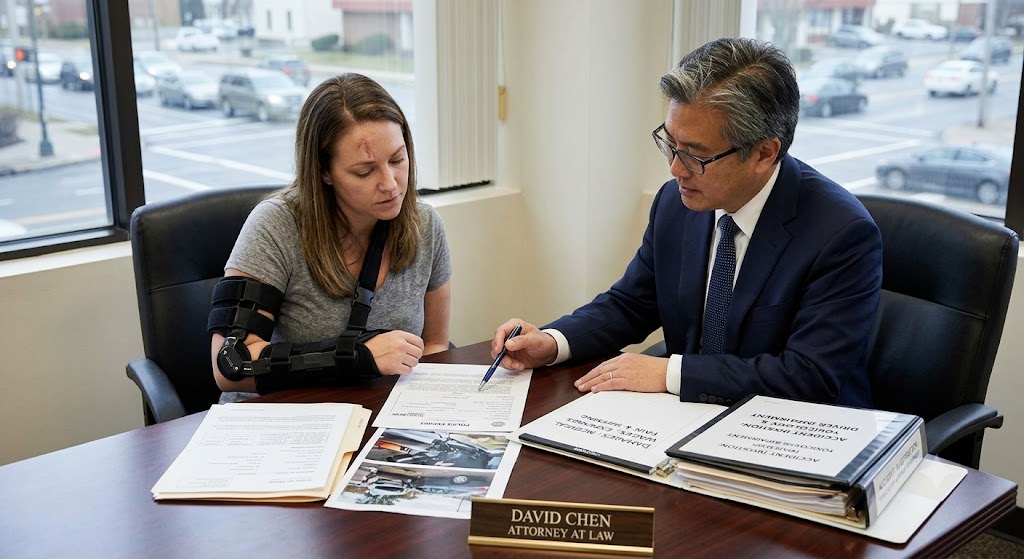
Getting insurance companies to pay what you actually deserve requires aggressive legal advocacy from a firm that knows how to handle complex accident investigations. For anyone trying to navigate these high-stakes claims, having a specialized advocate in your corner changes the entire dynamic of your case.
A dedicated personal injury attorney knows how to dig up hidden evidence, secure police toxicology reports, and counter the lowball tactics insurance adjusters use to undervalue claims. Working with a seasoned litigator ensures your case accounts for local insurance mandates and fault regulations, allowing you to focus completely on your medical rehabilitation while a professional handles the heavy lifting of building a bulletproof case.
Key Steps to Take Immediately After the Collision
The actions you take in the hours and days following a crash directly determine the strength of your legal claim. Insurance companies actively look for reasons to minimize their payouts, so creating a meticulous, undeniable paper trail is your best defense.

