



A recurring vehicle defect may support a California lemon law claim when it is covered by the manufacturer’s warranty, substantially impairs the vehicle’s use, value, or safety, and remains unresolved after a reasonable number of repair opportunities. A third dealership visit does not automatically make a car a lemon, but it can be important evidence.
For Los Angeles drivers, the challenge is often recognizing the same problem across repair orders that describe it differently. One visit lists a vibration. Another calls it a transmission adjustment. A third ends with “could not duplicate.” Those changing descriptions do not erase the repair history. The five assumptions below explain what drivers should look for and which records to keep.
Does the Dealer Have to Admit Your Car Has a Defect?
No service department has to write the word “defective” on a repair order, and nothing in the statute asks it to. A technician can swap a sensor, flash new software, road test the vehicle, and close the ticket without ever conceding that something is wrong with the car.
The wording also drifts from visit to visit. A complaint about sluggish acceleration turns into “low power” on one order and “hesitation on takeoff” on the next. Read separately, those entries look unrelated. Read together, they describe one problem that refuses to go away.
What carries weight is the record itself: the symptoms you described, the warranty in force at the time, and every attempt the dealer made to fix them. Before talking with a Los Angeles attorney who handles lemon law cases, gather every one of those orders. A pattern the dealer never named still shows up on paper.
How Serious Must a Defect Be Under California Lemon Law?

A defect does not need to end in smoke, a tow truck, or a dead engine to qualify. The legal test is whether the problem substantially impairs the vehicle’s use, value, or safety. Each of those three words opens a separate door.
Use is about reliability. A car that repeatedly stalls or strands you may have a defect that substantially impairs its use, even if it starts normally between incidents. Value is about how a reasonable buyer would react to the repair history. A long list of unresolved complaints is exactly the kind of history that gives a buyer pause.
Safety is the easiest to overlook, because a car can feel fine right up until it does not. Picture power that drops out during a merge, brakes that respond late, or a gear change that comes without warning. Add a driver-assistance system that shuts off on its own. Each of these puts people at risk while the vehicle still runs.
Do “Could Not Duplicate” Visits Matter in a Lemon Law Claim?
Intermittent faults are the hardest kind to prove at the counter. The check-engine light that glowed all week goes dark the morning of the appointment. The stall only happens after an hour of stop-and-go traffic. The touchscreen only freezes on hot afternoons. A twenty-minute inspection catches none of that.
So the order comes back marked “could not duplicate,” “no fault found,” or “operating as designed.” Those phrases describe what the technician saw that day. They do not wipe the visit off the record, and they are no proof that the symptom was imaginary.
Each of those visits still shows that you brought the same complaint to an authorized repair facility under warranty. Make them count:
- Record a short video the moment the symptom appears, after pulling over safely
- Note the speed, temperature, traffic, and how long the engine had been running
- Ask the service writer to enter your complaint in your own words
- Request a copy of the order even when the shop did no work
What If the Same Vehicle Problem Returns After Repairs?
Driving away from the dealership feels like closure. The real test is whether the repair held. A new part or a software update that quiets a noise for three weeks is a pause, not a solution.
When the same vibration, warning light, hesitation, or electrical glitch comes back, that earlier visit becomes part of a longer story. It counts as one more chance the manufacturer had to correct the defect.
That is why zero-dollar invoices matter as much as paid ones. A warranty visit that cost you nothing still documents the date of the complaint and the work attempted. It also records the mileage and how many days the car sat in the shop.
Is the Recurring Problem a Defect or Normal Wear and Tear?
Some repairs are a normal part of vehicle ownership. Tires, brake pads, wiper blades, and batteries wear with use, and routine maintenance falls outside the lemon law. Damage caused by a collision, misuse, or an aftermarket modification is different from a manufacturing defect. The cause of the recurring problem matters when evaluating warranty coverage and a lemon law claim.
The trouble starts when a service department applies the “wear and tear” label to something that does not fit it. Rotors that warp twice in the first 12,000 miles raise a different question. So does a battery that keeps dying in a nearly new car, or a transmission that slips again after every service visit. A short service life and a repeating failure point toward a defect, not ordinary aging.
The answer turns on the facts: warranty terms, mileage, service records, and what is actually causing the failure. How early the problem appeared, how serious it is, and how many times it has returned all shape the outcome.
Which Vehicle Systems Can Develop Recurring Defects?
Almost any part of a vehicle can be the subject of a lemon law claim. The category matters less than the effect on the car and the number of chances the manufacturer had to correct it. Four systems deserve particular attention.
Recurring Brake Problems
Brake complaints are safety issues first. Think of grinding that returns after new pads, a pedal that sinks or feels soft, longer stopping distances, or a warning light that will not stay off. If the shop replaces part after part and the symptom survives, the root cause is still there. This guide to recurring brake system defects covers the repeat-repair patterns worth tracking.
Electrical and Software Defects
Today’s cars depend on code as much as hardware. Faults can knock out backup cameras, dashboards, keyless entry, charging, or lane-keeping features, and some leave the car unable to start. A single frozen display is an annoyance. Repeated shutdowns, dead batteries, or failures in safety systems are something else.
Recurring Engine Problems
Stalling, overheating, misfires, unusual oil consumption, and a check-engine light that keeps returning all chip away at reliability. On the 405 at rush hour, losing power at speed is a hazard to everyone in the next lane.
Recurring Transmission Problems
Slipping, harsh or delayed shifts, a lurch when pulling away, or trouble engaging a gear all fall in this category. Hearing that the car is still adapting to how you drive can make these symptoms sound normal. Some shift behavior is normal for a given model. Behavior that keeps interfering with acceleration or control is worth writing down and having evaluated.
How Many Repair Attempts Does California Lemon Law Require?
There is no magic number of repairs. The core question is whether the manufacturer, or a repair facility acting for it, had a reasonable number of opportunities to fix a warranty-covered defect. That defect must substantially impair use, value, or safety.
California adds a presumption that helps buyers whose problems surface early. It applies when, within 18 months of delivery or the first 18,000 miles, whichever comes first, one of three things happened:
- Two or more repair attempts for the same defect that is likely to cause death or serious bodily injury
- Four or more repair attempts for the same defect
- More than 30 total days out of service for repairs
For the two repair-attempt routes, the buyer also has to notify the manufacturer directly in writing when the warranty materials clearly require it. Falling outside the presumption does not end a claim. It only means the buyer proves the case the ordinary way, through the full repair history. The California lemon law FAQ walks through repair attempts, warranty status, and timing in more detail.
Read Every Repair Order Before You Sign
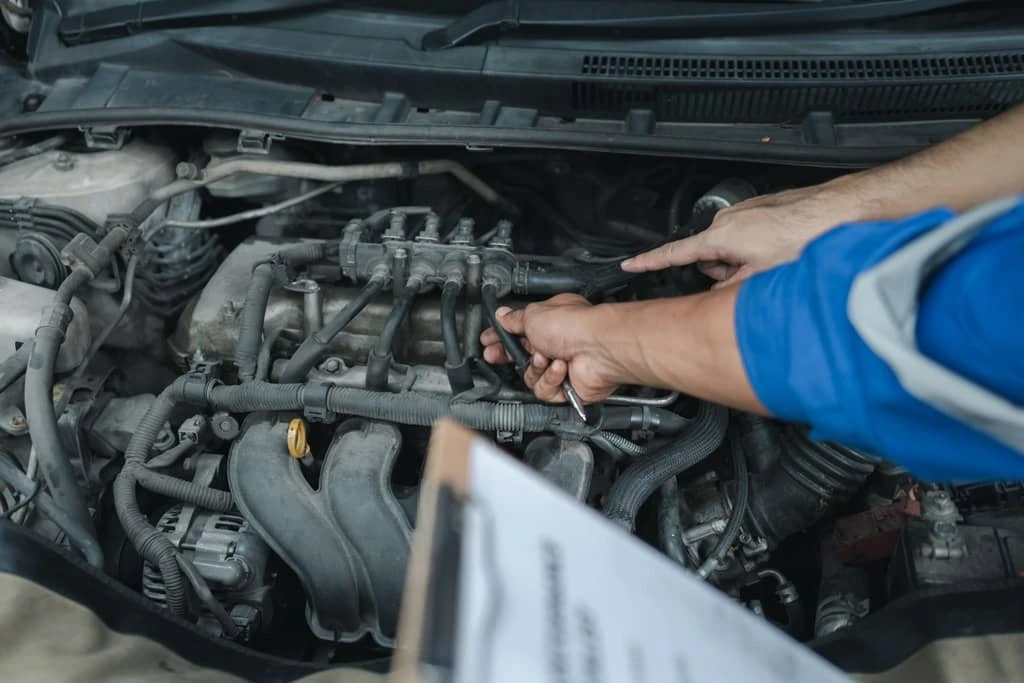
Every repair order is the dealer’s version of events, in writing, and it becomes evidence. Take two minutes at the counter to confirm it lists:
- Your complaint, described the way you described it
- The drop-off and pickup dates
- The mileage on arrival
- What the technician found, or did not find
- Every part replaced and every update installed
- Any part the dealer ordered or put on back order
Keep everything that surrounds those orders too: texts and emails with the service advisor, case numbers from calls to the manufacturer, towing receipts, and rental or loaner paperwork. Your own dated timeline ties it all together and exposes repeats that the dealer’s changing vocabulary hides.
When Should Los Angeles Drivers Seek a Lemon Law Review?
Three situations call for a second opinion from someone outside the dealership. One is a problem that returns after repair. Another is a car that spends long stretches in the shop. The third is a safety issue that is still unresolved. Waiting for the dealer to admit defeat is not one of them.
An attorney who handles lemon law cases can line up the warranty, the repair orders, the odometer readings, and the days out of service. From there, the question is whether they add up to a claim or to one isolated repair. More local detail on repeat warranty repairs and long waits at the dealership is available in this Los Angeles lemon law resource.
Use Your Repair History to Identify the Pattern
Tonight, gather every repair order out of the glove compartment, your email, and the dealership’s online portal. Sort them by date and read them as an outsider would. Look past the labels for the identical complaint showing up again, and count how many days the car was gone.
If the stack tells the same story more than once, it deserves a closer look under California’s lemon law. Repair records are evidence, but they do not establish every element of a claim on their own.
Price publication: 60.00 USD
Total: 60.00 USD

