

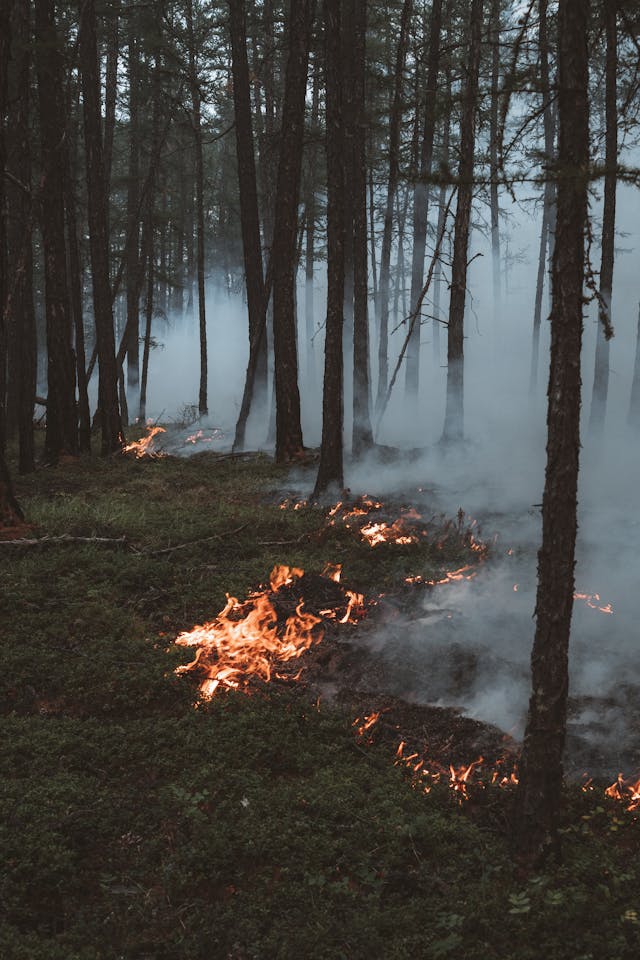
Wildfires are often described as natural disasters, but the story behind many large fires is more complicated. While lightning strikes and drought conditions can ignite blazes, investigations frequently reveal human factors that either started the fire or allowed it to spread more rapidly than it should have.
For communities affected by large-scale fires, the aftermath can involve more than rebuilding homes and restoring land. It can also raise important legal questions about responsibility, negligence, and compensation.
Wildfires Are Not Always Acts of Nature
While climate conditions and dry vegetation create the perfect environment for wildfires, a significant number of fires are linked to human activity. According to the National Interagency Fire Center, human-related causes account for the majority of wildfire ignitions (almost 80%) in many regions of the United States.
These causes can range from improperly maintained power lines and construction equipment to careless debris burning or vehicle sparks along dry roadsides. In heavily forested or drought-prone areas, even a small ignition source can quickly grow into a fast-moving wildfire. When investigations determine that a fire began due to negligence or a failure to maintain safe infrastructure, the legal system may become involved.
Understanding Liability After a Wildfire
Wildfire litigation generally centers on determining whether a responsible party failed to take reasonable precautions to prevent a fire. In legal terms, this falls under the concept of negligence: when an individual or organization fails to exercise appropriate care, leading to damage or injury.
Utility companies are commonly examined in wildfire investigations because aging electrical infrastructure can pose significant risks during dry or windy conditions. Faulty transmission lines, inadequate vegetation management near power lines, or delayed maintenance can create ignition points in vulnerable landscapes.
In other cases, contractors, equipment operators, or property owners may be investigated if machinery or land management practices are believed to have triggered a blaze. Determining liability often requires extensive forensic analysis. Fire investigators examine burn patterns, ignition points, weather conditions, and infrastructure records to understand how the fire started and spread.
The Role of Wildfire Lawsuits
When negligence is suspected, individuals and businesses affected by a wildfire may pursue legal claims to recover damages. These claims can include compensation for destroyed property, business interruptions, relocation costs, and other losses connected to the disaster. You can work with firms such as Fire Help Center to pursue the compensation you deserve.
Large wildfire incidents frequently involve multiple plaintiffs because entire communities may be affected. As a result, lawsuits sometimes develop into mass litigation cases where courts evaluate the responsibilities of corporations, utilities, or other entities connected to the fire.
Government agencies also play a role in wildfire recovery and documentation. The Federal Emergency Management Agency provides disaster assistance and coordinates recovery efforts following major fires, highlighting the extensive impact these events can have on communities.
Why Wildfire Litigation Matters
Wildfire lawsuits are not solely about financial recovery. In many cases, they also lead to changes in infrastructure maintenance, vegetation management practices, and safety regulations intended to reduce future fire risks.
Legal accountability can encourage organizations responsible for maintaining power systems, equipment, or land to strengthen safety measures in high-risk environments. Over time, these changes can help protect both communities and ecosystems from similar disasters. As wildfire seasons grow longer and more intense in many parts of the world, the legal conversations surrounding these events are becoming increasingly important.
Endnote
Wildfires reshape landscapes and communities in profound ways, but they also raise deeper questions about responsibility and prevention. When investigations uncover negligence behind a devastating fire, legal action can help clarify accountability while encouraging stronger safeguards designed to reduce the risk of future disasters.

