



Understanding how top personal injury law firms handle these situations is crucial. They use specific strategies to ensure clients receive proper representation and fair compensation.
This extensive guide explores the methods used by leading personal injury law firms. It will cover initial case assessment, handling diverse claim types, proving liability, and securing maximum compensation. For individuals facing such challenges, finding a dedicated and experienced legal partner is key. A reputable Maine personal injury law firm, for example, understands local laws and unique circumstances. This local knowledge can be vital for a successful claim.
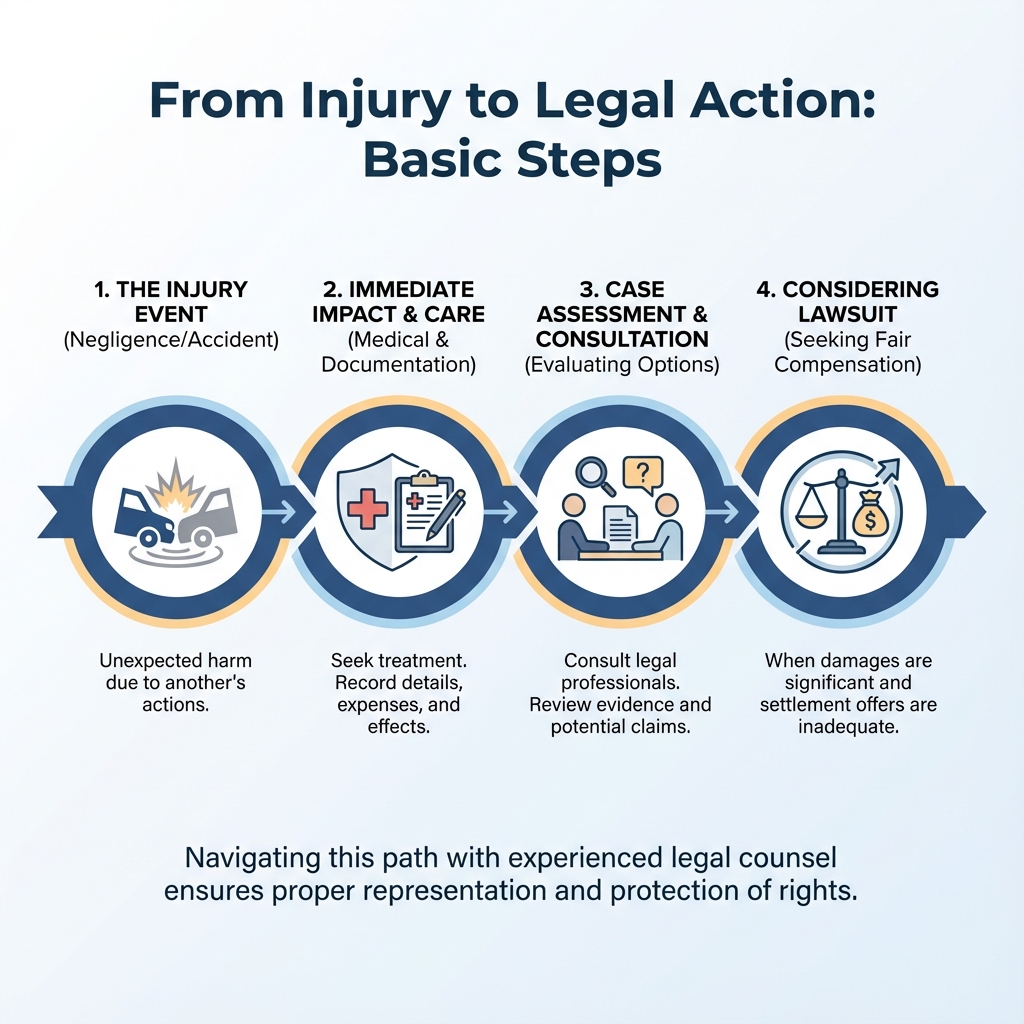
When an individual suffers an injury due to another’s negligence, the journey to recovery often extends beyond medical treatment to include a complex legal process. A personal injury lawsuit is a civil action filed by an injured party (the plaintiff) against the party responsible for their injuries (the defendant). The primary goal is to seek financial compensation for damages incurred, such as medical expenses, lost wages, pain and suffering, and other related costs.
Individuals should consider filing a personal injury lawsuit when they have sustained significant injuries and financial losses due to someone else’s careless or reckless actions. This is particularly true when insurance companies offer inadequate settlements or deny claims outright. Engaging a personal injury law firm can provide the necessary legal expertise to steer these challenges effectively.
Initial Case Assessment and Evidence Gathering
The foundation of any successful personal injury claim begins with a thorough initial case assessment and meticulous evidence gathering. Top personal injury law firms recognize this as a critical phase, offering potential clients a free consultation to discuss their situation. This initial meeting allows the firm to evaluate the merits of the case, identify potential legal avenues, and explain the process ahead.
During this phase, attorneys focus on collecting and preserving all relevant evidence. This typically includes:
- Police Reports: For accidents like car crashes, these reports provide an official account of the incident, often including initial determinations of fault.
- Medical Records: Comprehensive documentation of injuries, treatments, prognoses, and associated costs is crucial for establishing the extent of damages.
- Witness Statements: Eyewitness accounts can corroborate the injured party’s version of events and provide independent perspectives.
- Accident Reconstruction: In complex cases, experts may be employed to recreate the accident scene, offering scientific analysis of how the incident occurred and who was at fault.
- Photographs and Videos: Visual evidence of the accident scene, vehicle damage, and injuries can be highly persuasive.
- Employment Records: Documentation of lost wages, earning capacity, and benefits helps quantify economic damages.
Understanding the legal deadlines is paramount. Maine, like other states, has specific statutes of limitations that dictate how long an injured person has to file a lawsuit. In most cases, accident victims in Maine have six years from the date of injury to file a personal injury lawsuit. However, there are notable exceptions:
- If the defendant is a ski area operator, the lawsuit must be filed within two years.
- For legal malpractice claims, the deadline is also two years.
- Lawsuits against the government typically require filing within two years, but critically, written notice of intent to sue must be given within one year. Missing this initial notice period can invalidate the claim, regardless of the two-year filing window.
Top firms advise clients to act swiftly to ensure all evidence is collected and deadlines are met.
Critical Evidence to Preserve After an Accident:
- Contact information for all parties involved and witnesses.
- Photographs or videos of the accident scene, vehicles, and injuries.
- Police report number.
- Medical records and bills.
- Documentation of lost wages.
- Any correspondence with insurance companies.
Specializing in Diverse and Complex Maine Injury Claims
Personal injury law encompasses a broad spectrum of incidents, each with its unique legal nuances and challenges. Top personal injury law firms are equipped to handle a diverse range of claims, demonstrating specialized knowledge and experience across various practice areas. This versatility is crucial, as the specifics of an accident can significantly impact the legal strategy and potential outcomes.
Common types of personal injury claims that these firms routinely manage include:
- Car Accidents: Ranging from minor fender-benders to catastrophic collisions, these cases often involve complex insurance negotiations and determinations of fault.
- Truck Accidents: Due to the size and weight of commercial trucks, these accidents frequently result in severe injuries and involve intricate federal and state regulations, as well as multiple liable parties (e.g., driver, trucking company, cargo loader).
- Premises Liability: These claims arise when an injury occurs on someone else’s property due to unsafe conditions, such as slip and falls, inadequate security, or dog bites.
- Slip and Fall Accidents: A specific type of premises liability, these cases require proving that the property owner knew or should have known about a hazardous condition and failed to remedy it.
- Medical Malpractice: Involving negligence by healthcare professionals, these are among the most complex personal injury cases, requiring extensive expert testimony and a deep understanding of medical standards of care.
- Wrongful Death: When an individual dies due to another party’s negligence, surviving family members can pursue a wrongful death claim to recover damages for their loss.

A dedicated Maine personal injury law firm has the resources to handle these varied, complex cases. They understand the specific state laws, local court procedures, and even the unique characteristics of different communities within Maine. This local expertise, combined with broad legal knowledge, allows them to tailor strategies that maximize the chances of a favorable outcome for their clients.
The Role of Personal Injury Law Firms in Proving Liability
At the heart of every personal injury claim is the need to prove liability—that another party was legally responsible for the client’s injuries. This is where the strategic acumen of a personal injury law firm truly shines. Their role extends far beyond merely filing paperwork; it involves a meticulous process of investigation, legal analysis, and persuasive argumentation.
To establish liability, attorneys must typically prove four key elements:
- Duty of Care: The defendant owed a legal duty to the plaintiff (e.g., drivers have a duty to operate their vehicles safely, property owners have a duty to maintain safe premises).
- Breach of Duty: The defendant breached that duty through their negligent actions or inactions.
- Causation: The defendant’s breach directly caused the plaintiff’s injuries.
- Damages: The plaintiff suffered actual damages as a result of the injuries.
Top firms employ various tactics to build a compelling case for liability. They often work with expert witnesses, such as medical professionals, accident reconstructionists, engineers, and economists. These experts provide specialized testimony that can clarify complex technical issues, establish the extent of injuries, and quantify financial losses.
Furthermore, personal injury attorneys are adept at identifying and pursuing claims against all potentially liable parties, including third parties that might not be immediately obvious. For example, in a car accident, liability might extend beyond the at-fault driver to include a vehicle manufacturer (defective parts), a municipality (poor road design), or even a bar (serving an intoxicated driver).
Maine operates under a modified comparative negligence rule. This means that an injured party can still recover damages even if they were partially at fault for the accident, as long as their fault is not greater than 50%. If a plaintiff is found to be 50% or less at fault, their compensation will be reduced proportionally. For instance, if a jury awards $100,000 but finds the plaintiff 20% at fault, they would receive $80,000. Proving liability and navigating comparative negligence requires skilled legal representation to ensure the client’s percentage of fault is minimized, and their rightful compensation is maximized.

Maximizing Compensation and Client Recovery
Beyond establishing fault, a primary objective of personal injury law firms is to secure the maximum possible compensation for their clients. This involves a strategic approach to negotiation and, if necessary, litigation, ensuring that clients are fully compensated for all their losses.
Navigating Insurance Negotiations and Litigation
Dealing with insurance companies is often one of the most challenging aspects for injured individuals. Insurance adjusters are trained professionals whose primary goal is to protect their company’s bottom line by minimizing payouts. They often employ tactics such as offering quick, lowball settlements, questioning the severity of injuries, or attempting to shift blame to the injured party.
Top personal injury law firms act as a crucial buffer between their clients and aggressive insurance adjusters. They handle all communications, ensuring that clients do not inadvertently say or do anything that could jeopardize their claim. Attorneys leverage their knowledge of legal precedents, injury valuation, and negotiation strategies to counter insurance company tactics. They carefully document all damages, including:
- Medical Expenses: Past and future medical bills, rehabilitation costs, prescription medications.
- Lost Wages: Income lost due to inability to work, as well as future earning capacity.
- Pain and Suffering: Compensation for physical discomfort, emotional distress, and reduced quality of life.
- Property Damage: Costs associated with repairing or replacing damaged property.
While many personal injury cases settle out of court, the credible threat of litigation often serves as significant leverage during negotiations. Insurance companies are more likely to offer fair settlements when they know they are dealing with a firm prepared to take a case to trial. This readiness involves drafting complaints, conducting findy (exchanging information and evidence), preparing witnesses, and presenting a compelling case in court. Some underdog personal injury law firms build their reputation on winning against large insurers, demonstrating their commitment to fighting for justice regardless of the opponent’s size or resources. This tenacity is often what it takes to secure favorable outcomes for clients.
Understanding the Contingency Fee Advantage
One of the most significant benefits of hiring a personal injury law firm is the contingency fee agreement. This payment structure is designed to provide access to justice for everyone, regardless of their financial situation after an injury.
Under a contingency fee agreement:
- No Upfront Costs: Clients do not pay any legal fees out of pocket at the beginning of their case. This removes a major barrier for individuals who may be facing mounting medical bills and lost income.
- “No Win, No Fee”: The law firm only gets paid if they successfully recover compensation for the client, either through a settlement or a court verdict. If the case is lost, the client generally owes no attorney fees.
- Percentage-Based Payment: The attorney’s fee is a pre-agreed percentage of the total compensation recovered. This aligns the attorney’s interests directly with the client’s—the more the client recovers, the more the attorney earns.
- Access to Resources: The law firm typically covers all litigation costs, such as filing fees, expert witness fees, and investigation expenses, which can be substantial. These costs are then reimbursed from the settlement or award.
This model ensures that injured individuals, even those with limited financial means, can afford high-quality legal representation and pursue justice against well-funded insurance companies or corporations. It transforms legal services from an inaccessible luxury into a right.
Choosing the Right Firm for Your Case
Selecting the right personal injury law firm is a pivotal decision that can significantly impact the outcome of your claim. With numerous firms available, understanding what factors to prioritize is essential.
Key factors to consider include:
- Experience: Look for firms with a proven track record specifically in personal injury law and, ideally, in cases similar to yours. Longevity in the field often indicates a deep understanding of legal complexities and effective strategies.
- Track Record: While no firm can guarantee specific results, a history of successful settlements and verdicts demonstrates their capability. Reputable firms are often transparent about their past successes (without revealing confidential client details).
- Client Testimonials and Reviews: Feedback from previous clients offers valuable insights into the firm’s client service, communication, and overall effectiveness. Look for consistent positive experiences.
- Attorney Specialization: Some firms or individual attorneys specialize in particular types of personal injury, such as truck accidents, medical malpractice, or wrongful death. A specialist may have a more nuanced understanding of the specific laws and medical issues relevant to your case.
- Local Expertise: A firm with local presence and knowledge of the specific jurisdiction (like a Maine personal injury law firm that understands state laws, local courts, and even community dynamics) can be a significant advantage. This local insight can be invaluable for navigating regional legal landscapes.
When you’re considering a personal injury lawyer, scheduling a free, no-obligation consultation is a critical first step. This allows you to assess their approach, communication style, and expertise firsthand. Many firms offer convenient ways to connect, such as submitting a free online case review form, chatting with a live representative, or calling toll-free nationwide for a 24/7 consultation. Additionally, resources like the book “Accidents Happen” can provide valuable preliminary guidance on navigating a personal injury case.
Questions to Ask a Potential Personal Injury Lawyer During a Consultation:
- What is your experience with cases like mine?
- What is your success rate in similar cases?
- How do you communicate with clients, and how often?
- What are the potential challenges and strengths of my case?
- How long do you anticipate the process will take?
- What are your fees, and how does the contingency fee agreement work?
- Who will be the primary attorney handling my case?
By carefully evaluating these factors and asking pertinent questions, individuals can make an informed decision and choose a personal injury law firm that is best suited to represent their interests and fight for the justice and compensation they deserve.
