


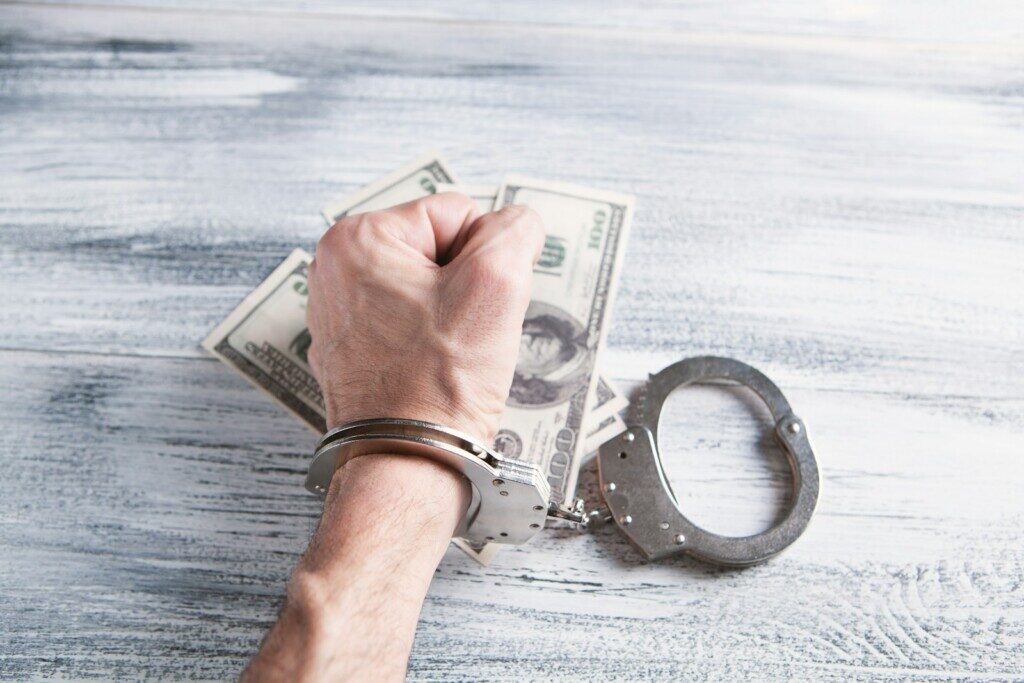
Facing a crime accusation can be scary. Nevertheless, knowing the different pieces of evidence that matter in your case defense can make a significant difference regarding the verdict.
“Evidence is fundamental when it comes to defending cases. The more solid evidence you get, the better your chances of winning,” says Minnesota criminal defense lawyer Omeed Berenjian, founding partner at BK Law Group.
Below are the pieces of evidence that may help build your case.
Statement of Witnesses
Witness statements are critical in a defense. It could come from people who were present during the event and had relevant information beforehand, or those who can provide information regarding your side of the story.
According to Minnesota laws, the duty of getting credible witnesses and interviewing them before obtaining their statements falls on the lawyer. However, not all of the people you identify as witnesses testify in court. A lawyer working on your case would exclude some witnesses to make sure only those with credible testimonies would be allowed to appear in court and testify.
Physical Proof
Physical proof is material that helps prove one’s innocence. Examples of physical evidence include weapons, clothes, cigarette butts, fingerprints, footprints found at the crime scene, and so on.
This kind of evidence helps the court understand what happened. A lawyer ensures the retrieval of all physical evidence without leaving anything behind.
For example, in case a weapon introduced by the prosecution shows fingerprints or DNA traces belonging to someone else, such evidence can work in your favor to prove that you are innocent.
Documentary Evidence
Documentary evidence comprises any paper materials or recordings used by one of the parties in support of their version of events. This evidence includes any contract, email, message, police report, medical record, video recording, and so forth. As seen, these documents are not just there for decoration and might add substantial depth to the story, supporting or disproving the witness’s statements.
Your criminal defense lawyer analyzes this documentation carefully, looking for any information that might be helpful. For example, when facing a larceny accusation, it might well turn out that there is a surveillance camera at the scene that may tell a different story. Also, things like timestamped receipts from a distant location can help show that you were nowhere near the crime scene.
Your lawyer’s skills are very important in this situation. They must have an attention to detail and be able to anticipate various scenarios of the development of events and gather all possible evidence, regardless of whether it appears relevant to you.
Expert Witness Testimony
An expert witness’ testimony is quite valuable for building a defense in some cases. In general, it is very difficult for ordinary jurors to understand all aspects of the case and make an unbiased verdict. Expert witnesses, be they forensic scientists, psychologists, accident reconstruction specialists, or something else, come in to help clear things up, giving credibility to your position.
For example, if you are facing a driving under the influence case, a toxicologist might analyze the effect of certain substances on a human being and provide their conclusions regarding the results of blood analysis presented by the prosecution.
Role of Your Lawyer
All the collected evidence is useful only if it is properly analyzed and presented in court. Thus, your criminal defense lawyer must know how to organize information, where to get it, how to prove your innocence, etc. They also need to think ahead of the prosecution, revealing its weaknesses, thereby allowing you to achieve the desired result.
Choosing a good lawyer is one decision you should not take lightly. First, you need a seasoned criminal law firm or attorney; second, they should have many successfully closed cases, and lastly, they should be able to communicate easily.

