


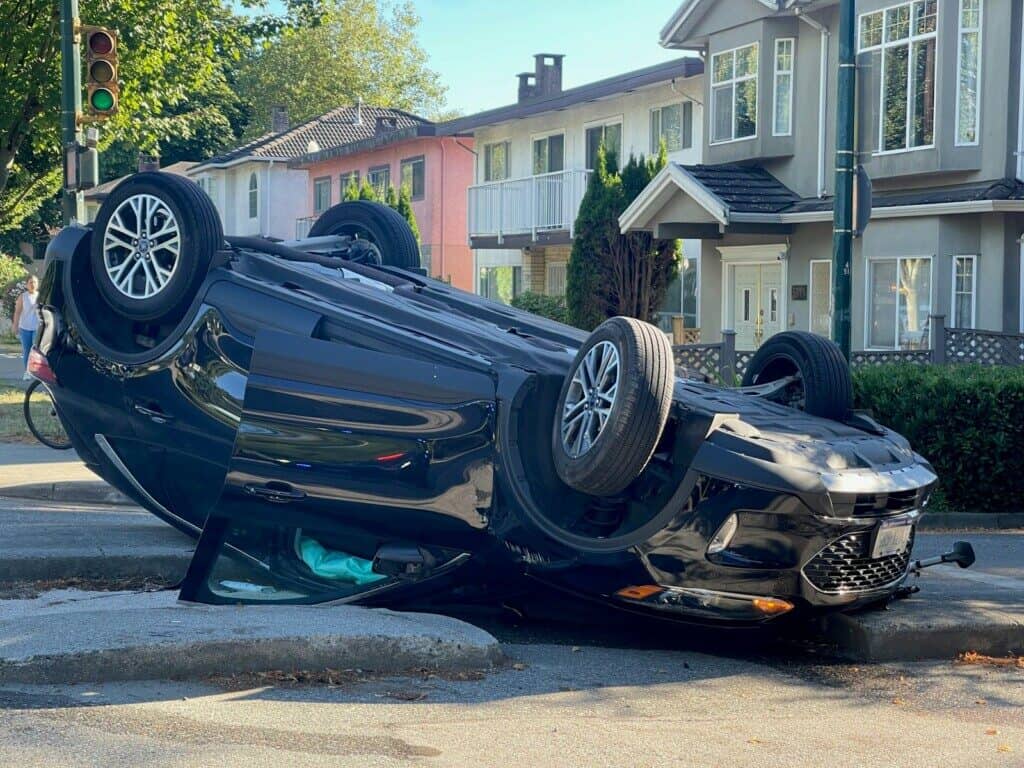
Dawsonville, Georgia has grown from a small mountain town into a busy hub for outlet shopping and tourism, drawing significant traffic to a road network that wasn’t originally built for today’s volume. That growth has brought more accidents to local roads, and understanding how Georgia law handles fault can make a real difference for drivers dealing with the aftermath of a crash.
Dawsonville’s Growing Traffic and Tourism
Highway 400 runs directly through Dawsonville, connecting the town to both the Atlanta metro area and the North Georgia mountains, and this corridor sees significant seasonal tourist traffic in addition to daily commuter travel. According to the Georgia Governor’s Office of Highway Safety, rural highway segments across the state, including those in growing tourist destinations, often see higher rates of serious crashes due to higher speeds and, in some cases, less familiarity with local road conditions among visiting drivers.
Weekend shopping traffic at the area’s outlet centers adds further congestion to local roads, particularly during peak holiday shopping periods, creating conditions where distracted or impatient driving can more easily lead to a collision.
How Georgia Handles Fault After a Crash
Georgia follows a modified comparative negligence system, allowing an injured driver to recover compensation as long as they are found less than fifty percent responsible for the accident, with their award reduced according to their assigned percentage of fault. This system means insurance companies frequently dispute fault determinations, since even a small shift in assigned responsibility can meaningfully affect what they ultimately have to pay.
“A lot of the crashes we see around Dawsonville involve visitors who aren’t familiar with the area mixing with local traffic patterns,” said the car accident attorney in Dawsonville, GA at JTT Law. “That unfamiliarity can contribute to sudden lane changes or missed turns, which often becomes a factor in how fault gets argued after a crash.”
What to Do at the Scene
Following a crash, checking for injuries and calling for emergency assistance should always come first, particularly on higher speed rural roads where a secondary collision remains a real risk if vehicles are not moved to safety. Once safety is addressed, exchanging insurance and contact information, photographing the scene, and requesting a copy of the police report all help protect a future claim.
Given Dawsonville’s mix of local and tourist traffic, gathering contact information from any witnesses becomes especially important, since visitors involved in or witnessing a crash may return home to another state shortly afterward, making them harder to reach later in the claims process.
Protecting a Claim Going Forward
Georgia law generally requires a personal injury lawsuit related to a car accident to be filed within two years of the crash date, giving injured drivers a defined window to pursue compensation if a fair settlement cannot be reached through negotiation. Missing this deadline typically bars a claim entirely, regardless of how strong the underlying case may otherwise be.
Prompt medical evaluation also plays an important role in protecting a claim, since insurance companies often scrutinize any delay between an accident and the first documented medical visit, using that gap to argue an injury was unrelated to the crash or less serious than described.
For drivers in and around Dawsonville, understanding how Georgia’s fault rules work, along with the practical steps to take immediately after a crash, provides a stronger foundation for pursuing fair compensation, particularly in an area where local and visiting traffic mix throughout the year.
Seasonal factors also play a role in Dawsonville area crash patterns, with fall foliage tourism bringing an influx of out of state drivers unfamiliar with the area’s winding mountain roads. Combined with reduced visibility from fog common in the surrounding foothills during early morning hours, these seasonal conditions contribute to a noticeable uptick in accidents during certain times of year, making extra caution especially important for both residents and visitors alike.
Motorcycle accidents also warrant particular attention around Dawsonville, given the popularity of the area’s scenic mountain routes among riders, particularly during warmer months. These crashes often result in more severe injuries than standard car accidents, and establishing fault can involve additional considerations, including whether road conditions, sight lines at intersections, or another driver’s failure to properly account for a motorcycle’s smaller profile contributed to the collision.
Insurance coverage gaps present another consideration for drivers throughout the Dawsonville area, since Georgia only requires drivers to carry minimum liability coverage that often falls short of covering the full cost of a serious accident. Reviewing personal auto policies for adequate uninsured and underinsured motorist coverage, ideally well before an accident occurs, can make a meaningful difference in what compensation is actually available if the at fault driver’s coverage proves insufficient.

