


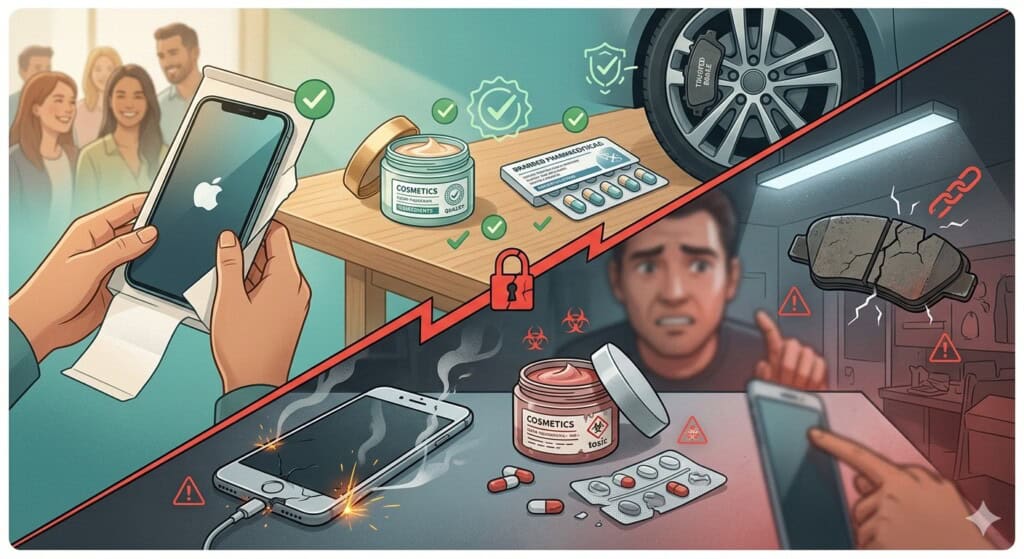
The rise of e-commerce and global supply chains has made shopping more convenient than ever but it has also opened the door to a surge in counterfeit products. From electronics and cosmetics to auto parts and pharmaceuticals, fake goods are increasingly entering the market, often indistinguishable from genuine items at first glance. While many consumers assume counterfeit products are simply a cheaper alternative, the reality is far more serious: these products can pose significant safety risks and legal complications. This is why both businesses and individuals often turn to Intellectual Property Lawyers to understand their rights and responsibilities in such situations.
The Growing Problem of Counterfeit Goods
Counterfeit products are no longer limited to luxury handbags or designer clothing. Today, they span nearly every industry. Online marketplaces, third-party sellers, and social media platforms have made it easier for counterfeiters to reach unsuspecting buyers. According to global trade estimates, counterfeit goods account for hundreds of billions of dollars annually, affecting legitimate businesses and endangering consumers.
What makes counterfeit products particularly dangerous is the lack of regulation. Authentic products must comply with strict safety standards, testing requirements, and quality controls. Counterfeit items, on the other hand, bypass these safeguards entirely. As a result, consumers may unknowingly purchase products that are defective, toxic, or even life-threatening.
How Counterfeit Products Put Consumers at Risk
The risks associated with counterfeit goods vary depending on the product category, but the consequences can be severe:
- Electronics: Fake chargers, batteries, and devices can overheat, explode, or cause electrical fires.
- Cosmetics and skincare: Counterfeit beauty products may contain harmful chemicals, bacteria, or allergens, leading to skin damage or infections.
- Pharmaceuticals: Fake medications can contain incorrect dosages or no active ingredients at all posing serious health risks.
- Automotive parts: Counterfeit brake pads, airbags, or engine components can fail, increasing the likelihood of accidents.
In many cases, consumers are unaware they’ve purchased a counterfeit product until harm occurs. This creates complex legal questions about liability, especially when multiple parties manufacturers, sellers, and distributors are involved.
Who Is Liable for Injuries Caused by Counterfeit Products?
Determining liability in counterfeit product cases can be challenging. Unlike traditional product liability claims, where a known manufacturer is held accountable, counterfeit cases often involve hidden or untraceable entities.
However, several parties may still bear responsibility:
- Sellers and distributors: Retailers or online platforms that fail to vet their suppliers may be held liable for selling dangerous goods.
- Importers: Companies that bring counterfeit products into a country can face legal consequences.
- Marketplace platforms: In some cases, e-commerce platforms may share responsibility if they knowingly allow counterfeit listings.
For businesses, this is where consulting Intellectual Property Lawyers becomes essential. These legal professionals help companies protect their brands, enforce trademarks and patents, and reduce the risk of counterfeit-related liability.
The Legal Impact Beyond Consumer Safety
Counterfeit products don’t just harm consumers they also damage legitimate businesses. When a counterfeit product causes injury, the reputation of the original brand can suffer, even if it had no involvement in the fake product’s production.
This creates a ripple effect:
- Loss of consumer trust
- Financial losses due to brand dilution
- Increased legal disputes and enforcement costs
Businesses must take proactive steps to protect their intellectual property and ensure their products are not being copied or misrepresented. Legal strategies such as trademark registration, patent protection, and enforcement actions are critical in combating counterfeit operations.
How Consumers Can Protect Themselves
While legal systems continue to evolve to address counterfeit goods, consumers must also take precautions when making purchases:
- Buy from reputable sources: Stick to official websites, authorized retailers, or well-known platforms.
- Check product details carefully: Look for inconsistencies in packaging, labeling, or pricing.
- Be cautious of deals that seem too good to be true: Extremely low prices are often a red flag.
- Read reviews and seller ratings: Feedback from other buyers can reveal potential issues.
- Verify authenticity when possible: Some brands offer verification tools or serial number checks.
If you suspect you’ve purchased a counterfeit product especially one that caused harm it’s important to seek legal advice and report the issue to the appropriate authorities.
The Role of Legal Professionals in Combating Counterfeits
Addressing counterfeit products requires a combination of consumer awareness, corporate responsibility, and legal enforcement. Governments and regulatory bodies are increasing efforts to crack down on counterfeit operations, but enforcement alone is not enough.
Legal professionals play a crucial role in this ecosystem. Businesses rely on Intellectual Property Lawyers to:
- Register and protect trademarks, copyrights, and patents
- Monitor and enforce IP rights across markets
- Take legal action against counterfeiters
- Advise on compliance and risk management
For consumers, legal guidance can help clarify rights in cases of injury or financial loss caused by counterfeit goods.
Conclusion
Counterfeit products are more than just a nuisance they are a growing threat to consumer safety and business integrity. As fake goods become more sophisticated and widespread, the risks they pose continue to increase. Whether it’s a faulty electronic device, contaminated cosmetic, or unsafe auto part, the consequences can be serious and far-reaching.
Understanding these risks is the first step toward protection. By staying informed, making cautious purchasing decisions, and seeking legal support when necessary, both consumers and businesses can reduce their exposure to counterfeit-related harm. In a marketplace where authenticity is not always guaranteed, vigilance and the right legal expertise makes all the difference.

