


Key Takeaways
- Helmet usage and safety gear significantly reduce injury risk in e-scooter crashes.
- Understanding Atlanta’s traffic laws and local regulations is vital for every rider.
- Routine e-scooter maintenance and vigilance can prevent many common accidents.
- Community and city efforts, including public infrastructure improvements, enhance rider safety.
Introduction
As electric scooters become a more common mode of transportation on busy urban streets, safety concerns grow for riders, pedestrians, and drivers alike. Navigating traffic, understanding local regulations, and practicing responsible riding habits are essential for reducing accidents and improving public confidence in shared mobility systems. Communities also play a critical role by supporting safer infrastructure, designated riding areas, and public awareness initiatives. With proper education and cooperation, e-scooters can remain a convenient, efficient, and safer transportation solution for modern city living.
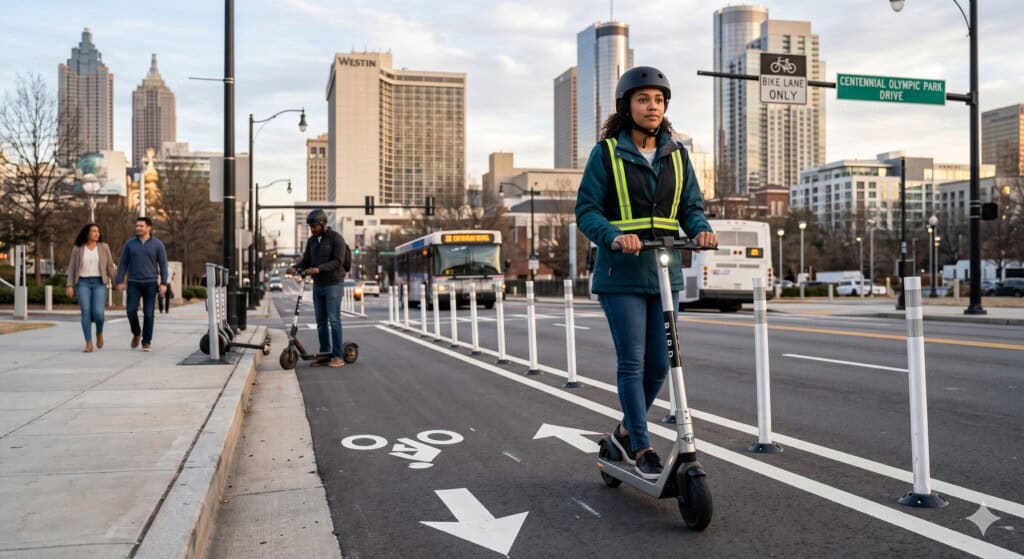
Understanding the Growth in E-Scooter Use and Injuries
The popularity of electric scooters has soared in Atlanta and across the United States, revolutionizing how people travel short distances in urban areas. This shift offers convenience and a sustainable mode of transit, but it has also led to new safety concerns. According to a study reported by the Centers for Disease Control and Prevention (CDC), ER visits for e-scooter injuries have risen steadily, with many incidents involving head trauma, fractures, and collisions with both vehicles and pedestrians.
Riding an e-scooter requires caution and attention, as even minor road hazards can lead to severe injuries. Many incidents involve loss of balance, abrupt stops, or swerving to avoid obstacles. Understanding what to do after a crash is crucial. If someone is injured in a scooter accident, seeking medical attention, documenting the scene, and understanding one’s legal rights can make a significant difference. In the event of a serious incident, a resource such as an E-Scooter Injury Lawyer Atlanta can help clarify the next steps and explain legal options.
Essential Safety Gear for Daily Rides
A helmet remains the single most effective piece of protective equipment for scooter riders, as head injuries are among the most common consequences of e-scooter crashes. Atlanta’s healthcare professionals urge all riders to use helmets, regardless of whether local laws require it at all times. Other safety gear, such as knee and elbow pads and reflective clothing, can also prevent scrapes and fractures and improve rider visibility. Wearing high-visibility gear is particularly important at night or in poor weather.
The Centers for Disease Control and Prevention conducted a scooter safety study in Austin, Texas, which found that nearly half of all e-scooter injuries involved improper or absent helmet use. Routine use of safety equipment is an easy way to mitigate these risks.
Community Initiatives and Changing Infrastructure
Metro Atlanta continues to invest in safer streets and bike infrastructure. City projects have expanded protected bike lanes, encouraged speed restrictions for shared scooters, and implemented campaigns to educate all road users about scooter and cyclist safety. Community groups routinely collaborate with city officials to assess travel patterns, address dangerous intersections, and support public events highlighting best practices for electric vehicle use.
Infrastructure improvements and consistent law enforcement benefit everyone, including pedestrians, cyclists, and motorists. When cities support safe, shared streets, injury rates decline across the board, making Atlanta a national leader in pioneering safer urban transportation options.
Adapting to Weather and Environmental Conditions
Weather plays a significant role in e-scooter safety. Rain can make roads slippery, while puddles may conceal hazardous potholes. Riders should slow down, avoid abrupt maneuvers, and increase following distance in inclement weather. It is generally safest to avoid riding altogether during severe conditions, as visibility and road traction are both reduced.
Importance of Knowing Local Traffic Laws and Crash Response
Every city has unique regulations regarding e-scooter operation. In Atlanta, scooters are permitted on streets with speed limits under 35 mph, and riders must generally avoid sidewalks to minimize conflicts with pedestrians. Following traffic signals, yielding to pedestrians, and using bike lanes where available are all critical for safe operation.
Violations of traffic laws not only endanger riders but can also affect legal rights in the event of an accident. Reporting a crash to authorities, gathering witness statements, and keeping thorough documentation are important whether you’re a daily commuter or infrequent rider. City policies around scooters have evolved, reflecting efforts to keep both riders and the broader community safe.
In addition to personal safety habits, understanding the state of E-Scooters in Atlanta and how riders and non-riders coexist is important. The history of regulations and the role of shared scooter fleets have shaped riders’ responsibilities and rights throughout the city. As regulations and infrastructure have changed, so have the expectations of how e-scooters integrate into Atlanta’s neighborhoods.
Staying Alert: Common Hazards and How to Avoid Them
Riders should always avoid using phones, headphones, or any other distractions while operating a scooter. Atlanta’s roads can present unexpected challenges, such as potholes, uneven pavement, or sudden movements from nearby traffic. Staying focused on the environment and anticipating hazards is key. Eye contact with drivers, predictable maneuvers, and extra caution at intersections help protect both riders and other road users.
Daily Maintenance to Reduce Scooter Hazards
A substantial number of e-scooter accidents can be traced back to mechanical issues such as faulty brakes, underinflated tires, or malfunctioning lights. Conducting a quick pre-ride check is essential. Riders should test the brakes, ensure tire pressure is adequate, and confirm that lights and reflectors are working. Regular maintenance checks can prevent breakdowns and reduce the risk of accidents caused by mechanical failure.
According to CDC transportation safety guidelines, many e-scooter injuries are preventable with basic care and equipment inspections, underscoring the need for personal responsibility.
Conclusion
E-scooters offer a convenient and eco-friendly transit solution, but rider safety must remain a top priority. By staying informed about local regulations, wearing necessary safety gear, keeping scooters well-maintained, and participating in community discussions about infrastructure, all Atlanta residents can contribute to safer streets. As the city continues to adapt, responsible riding and shared commitment to safety will ensure that e-scooters remain a valuable part of urban life.
