


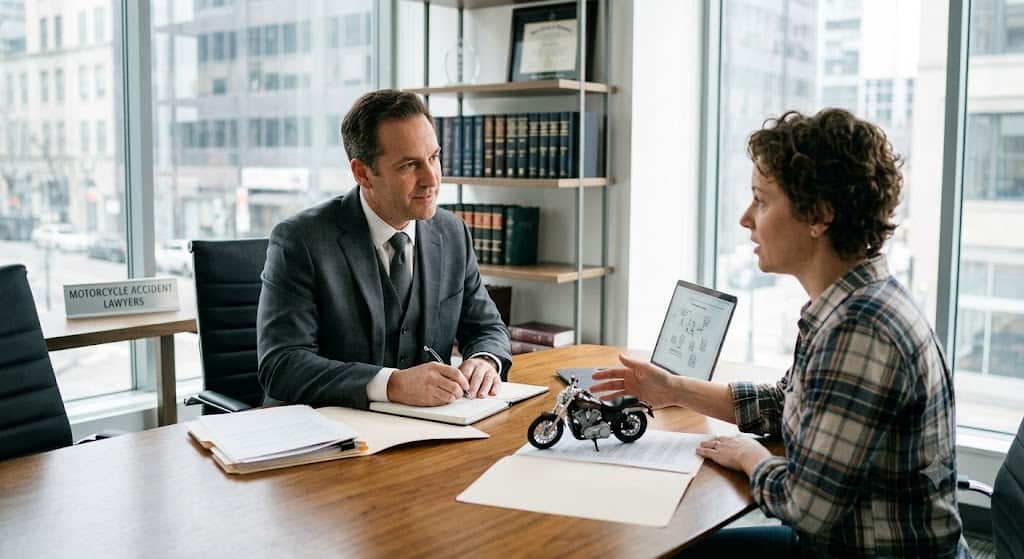
Florida’s warm climate and scenic roadways make motorcycling a popular way to travel, whether for daily commuting or weekend rides along the state’s diverse highways. Unfortunately, the same busy roads that attract riders also increase the risk of serious collisions, often leaving victims with life-changing injuries and difficult questions about their legal rights. Recovering from a motorcycle accident can involve far more than physical healing, especially when medical bills, lost income, and insurance disputes begin to pile up. Understanding how Florida’s legal system addresses these claims is an important step toward protecting both your financial future and your ability to move forward.
Experienced legal guidance can help injured riders understand their options while ensuring critical evidence and documentation are preserved from the outset. For those seeking representation for injured riders in Tampa or elsewhere in Florida, knowing how motorcycle accident lawyers advocate for victims can provide reassurance and a stronger foundation for pursuing the compensation they deserve.
Early Legal Help
In the first few days after a collision, evidence may disappear. Rain clears debris, cameras erase files, and memories lose detail. Riders seeking representation often need timely help connecting roadway conditions, injury patterns, treatment needs, and insurance notice dates into one organized claim. This helps preserve their rights after the accident.
Case Review
A case review starts with the crash sequence, not broad assumptions. Counsel studies lane position, signal timing, speed estimates, lighting, weather, and vehicle damage. Medical notes are compared with impact details. That process helps identify liable parties, available coverage, and weaknesses that should be addressed early.
Fault Analysis
Motorcycle claims often draw quick blame. A driver may report that the bike appeared suddenly or was hard to see. Attorneys test those statements against skid marks, crush damage, sight lines, and traffic laws. Physical evidence often tells a more reliable story than a hurried roadside account.
Evidence Work
Strong claims depend on preserved proof. Legal teams request crash reports, emergency records, photographs, repair files, nearby surveillance footage, and phone data when the facts support that step. The motorcycle may need inspection before repair or disposal. Mechanical condition, impact angles, and braking evidence can clarify how the collision occurred.
Witness Accounts
Witnesses may notice details missing from police notes. One person might recall an unsafe turn. Another may remember a blocked view or a red light violation. Attorneys contact witnesses while memories remain fresh, then compare statements with photographs, vehicle damage, and medical findings.
Medical Documentation
Medical records link the collision to bodily harm. Lawyers review emergency evaluations, imaging, surgical reports, therapy notes, prescriptions, and work restrictions. Consistent documentation shows how symptoms developed, why treatment was necessary, and what limitations remain. Gaps in care are also reviewed before insurers use them unfairly.
Future Care
Some injuries continue long after the first hospital visit. Fractures, spinal damage, burns, and traumatic brain injuries may affect balance, grip strength, concentration, sleep, and endurance. Counsel may seek medical opinions on future care. Those estimates can include therapy, injections, surgery, assistive devices, medication, or home support.
Insurance Contact
Insurers may request recorded statements before the rider knows the full diagnosis. A lawyer can handle those calls and keep responses accurate. Adjusters sometimes ask narrow questions that omit pain, delayed symptoms, or work limitations. Legal guidance helps prevent incomplete answers from shaping the claim.
Damage Calculation
Fair valuation reaches beyond the first bill. Attorneys calculate ambulance charges, hospital care, follow-up visits, therapy, prescriptions, lost wages, reduced earning ability, motorcycle repair, and personal expenses. They also assess pain, scarring, sleep disruption, emotional strain, and limits on daily activities.
Settlement Strategy
Many claims settle, but timing matters. An early offer may arrive before swelling improves, scans are complete, or specialists know whether surgery is needed. Lawyers compare proposals based on documented losses and future medical risks. Weak offers can be rejected with a clear demand supported by records.
Trial Readiness
Trial preparation gives negotiations weight. Counsel organizes exhibits, prepares testimony, consults experts, and builds a clear timeline for the judge or jury. That readiness shows the claim is supported by proof. If talks fail, the injured rider is not starting from scratch.
Rider Bias
Motorcyclists sometimes face unfair assumptions about speed or risk-taking. Those views can distort settlement talks. A lawyer redirects attention to evidence, including visibility, lane use, driver conduct, protective gear, and road conditions. Facts help replace stereotypes with a grounded account of what happened.
Conclusion
Motorcycle accident lawyers serve injured riders well by conducting thorough investigations, documenting medical care, valuing claims, negotiating, and preparing for trial. Their work turns scattered records into a coherent case supported by facts. They also protect clients from pressure, confusion, and unfair blame. Legal help cannot undo trauma, but it can create a clearer path toward treatment, financial recovery, and informed decisions.

