


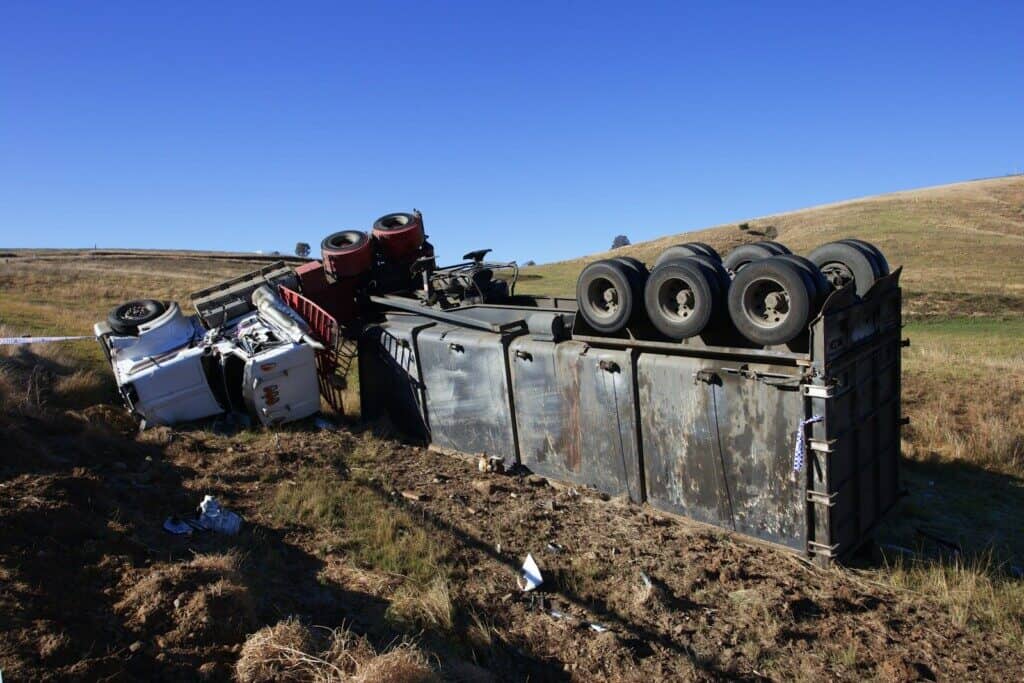
Atlanta serves as one of Georgia’s busiest transportation and logistics centers, with commercial trucks traveling its highways every day to move goods across the state and beyond. While this constant movement supports businesses and local communities, it also increases the risk of serious collisions that can leave victims facing significant physical, emotional, and financial hardships. Recovering after a truck accident often means dealing with medical treatment, missed work, insurance challenges, and uncertainty about the legal process.
Experienced legal guidance helps injured individuals navigate these complexities while focusing on their recovery and long-term well-being. For those recovering damages from a truck wreck in Augusta, knowledgeable legal representation can provide valuable guidance throughout every stage of the claims process. With the right support, victims can pursue accountability and seek compensation that reflects the full impact of their injuries and losses.
Get Medical Care First
Immediate treatment protects health and preserves the injury timeline. In Augusta, someone may need guidance on seeking compensation because emergency bills, imaging costs, therapy plans, and lost wages often arise before liability is accepted. Hospital notes, scan reports, prescriptions, and follow-up visits help tie pain, weakness, or mobility loss to the collision.
Report the Collision
A police report provides a formal starting point for the case. It may identify drivers, vehicles, citations, weather, road layout, and witness information. Injured people should request the report once it becomes available. If a detail is wrong, medical records, photographs, or statements may help correct it before insurers treat the error as fact.
Preserve Key Evidence
Truck evidence can disappear quickly after a crash. Photographs should show vehicle crush patterns, tire marks, debris, bruising, lighting, lane markings, and nearby signs. Video from dash cameras or local businesses may show speed, braking, or lane movement. Preservation letters can secure logs, repair files, inspection reports, and electronic control data.
Identify Every Liable Party
Fault may extend beyond the person driving. A carrier can be responsible for poor hiring, weak training, unsafe schedules, or ignored safety rules. A maintenance vendor may share blame if worn brakes or steering defects were missed. Cargo crews can create rollover danger through uneven loading. Faulty tires, couplers, or brake parts may point to manufacturers.
Track Medical Losses
Medical damages may include ambulance transport, emergency care, surgery, hospital stays, imaging, medication, injections, therapy, and mobility equipment. Future treatment matters, especially with spinal trauma, brain injury, joint damage, nerve irritation, or chronic pain. Physician opinions can explain expected procedures, work limits, lifting restrictions, and rehabilitation needs.
Count Lost Income
A severe truck crash can stop earnings without warning. Wage statements, tax returns, employer letters, schedules, and attendance records help prove missed pay. If injuries reduce future work capacity, medical and vocational opinions can explain lasting limits. Contractors and business owners may need invoices, bank records, signed jobs, and profit history.
Value Pain and Daily Limits
Losses are not limited to bills. Pain, sleep disruptions, headaches, dizziness, anxiety, and limited mobility can disrupt normal routines. A daily journal may document missed family roles, household limits, and recurring symptoms. Consistent treatment records make these lived effects easier to explain.
Watch Insurance Tactics
Insurance adjusters may request recorded statements, broad medical releases, or fast settlements. Early offers often arrive before swelling, nerve symptoms, surgical opinions, or permanent limits are clear. A signed release usually ends the case. Careful review protects future treatment costs, lost earnings, and long-term harm from being undervalued.
Know Georgia Timing Rules
Georgia injury cases have filing deadlines. Missing one can end recovery, even when the evidence is strong. Claims involving public vehicles or government agencies may require earlier written notice. Injured people should confirm the correct date soon, because medical review, expert input, and evidence collection can take months.
Build a Demand Package
A strong demand package tells the story through records. It may include the crash report, photographs, medical files, itemized bills, wage proof, expert opinions, and witness statements. The request should connect each loss to the wreck and explain why every responsible party must answer for the harm.
Settlement or Lawsuit
Many truck crash cases settle without trial. Settlement can reduce delay when the offer covers care, lost income, pain, and future needs. A lawsuit may be necessary if fault is denied or damages are undervalued. Court tools can require document exchange, sworn testimony, and deeper safety records.
Conclusion
Recovering damages after a serious commercial truck wreck requires steady documentation, informed choices, and patience with the medical picture. Care records, preserved evidence, liability review, and accurate loss calculations shape the claim’s strength. Injured people should be cautious with quick offers and keep records from the first day. With organized proof, each harm becomes clearer, better supported, and easier to pursue through settlement talks or court.

