


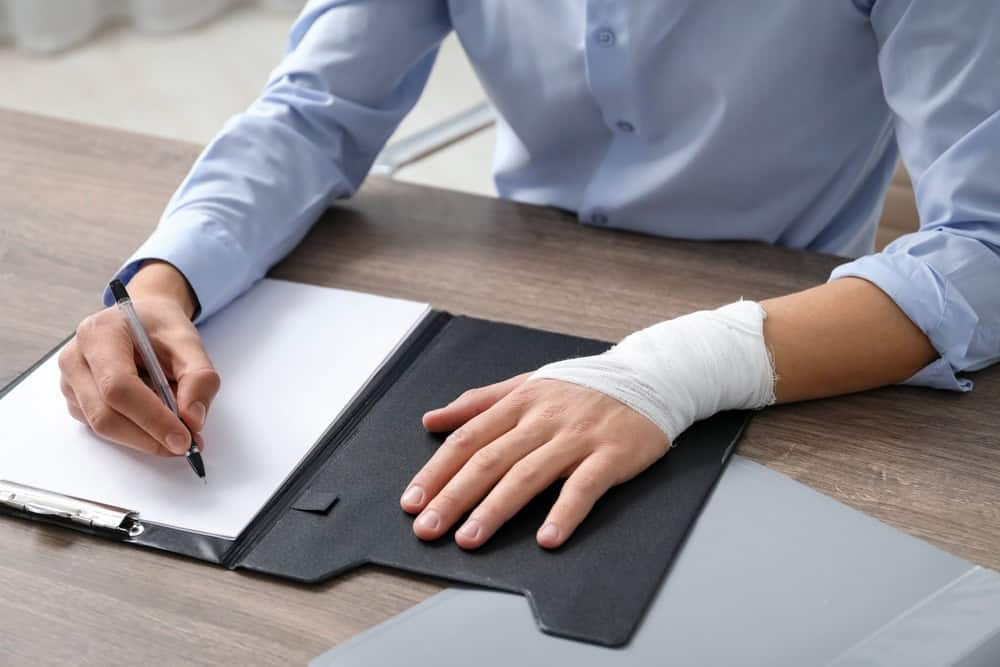
Recovering from an accident often means adjusting to everyday activities that once seemed simple. Even short trips to medical appointments, therapy sessions, or rehabilitation facilities can be physically challenging and time-consuming. These small details, though easily overlooked, can provide significant evidence in a personal injury claim, showing how an accident affects daily life.
Documenting travel limitations, delays, or reliance on others for transportation helps create a complete picture of injury impact. People exploring how commute data, logs, and receipts can support claims may learn from practices outlined by legal professionals, such as a personal injury lawyer at Diamond Injury Law, illustrating how indirect evidence can complement medical documentation without serving as advice or endorsement.
Logging Travel Times to Medical Appointments or Therapy
Keeping a record of the time required to reach appointments provides tangible proof of the accident’s impact on mobility and functionality. Trips that normally take a few minutes may require longer if pain, fatigue, or physical limitations are factors.
A personal log or smartphone calendar noting these trips, delays, and any assistance required helps establish a daily reality of injury. Insurance adjusters or legal reviewers often evaluate these details alongside medical records to better understand the claimant’s actual limitations.
Using GPS to Validate Accident Timing or Severity
GPS data from smartphones, navigation apps, or vehicle systems can provide an objective account of travel times, routes, and deviations caused by limited mobility.
For example, a longer-than-usual journey to therapy because the injured person needed to take breaks or avoid stairs can demonstrate the real impact of the injury. GPS timestamps may corroborate medical appointments or other documentation, giving a clearer view of how the accident affected day-to-day functioning.
Receipts for Taxis, Rideshares, or Public Transportation
Receipts from Uber, Lyft, taxis, or buses can also support a personal injury claim. They show that the individual was unable to drive themselves and had to rely on alternative transport.
Repeated transportation expenses, even for routine appointments, create a record of ongoing limitations and increased costs caused by the accident. Collecting these receipts can strengthen the claim by illustrating the indirect effects of injuries on daily life.
Correlating Delays or Travel Issues to Physical Impairment
It’s important not just to record travel, but also to show why it was difficult. Notes about delays, pain during transit, or the need for assistance demonstrate the connection between the accident and physical limitations.
For instance, a note like, “The 15-minute drive to therapy took 35 minutes due to back pain requiring two stops to rest,” offers insurers and evaluators concrete insight into the claimant’s experience and the accident’s real impact.
Strengthening Chronology and Credibility for Insurers
When combined, logs, GPS data, receipts, and observations create a chronological narrative that complements medical records. Consistency across these pieces of evidence builds credibility, helping insurers and legal professionals understand the full extent of the injury.
For those studying how different forms of documentation influence claim evaluation, information from a legal expert, such as a personal injury lawyer at Diamond Injury Law, demonstrates ways commute, and transportation evidence can support timelines and functional limitations, without acting as a recommendation or legal advice.
Conclusion
Transportation and commute documentation is an often-overlooked form of evidence in personal injury claims. Keeping detailed logs, capturing GPS data, collecting receipts, and noting delays or limitations provides a tangible record of the accident’s impact on daily life.
Such documentation supports the chronological narrative of injury, complements medical records, and strengthens credibility with insurers. While medical evidence shows clinical impact, commute and transportation records show the lived experience, helping claims reflect the real challenges of recovery.

