


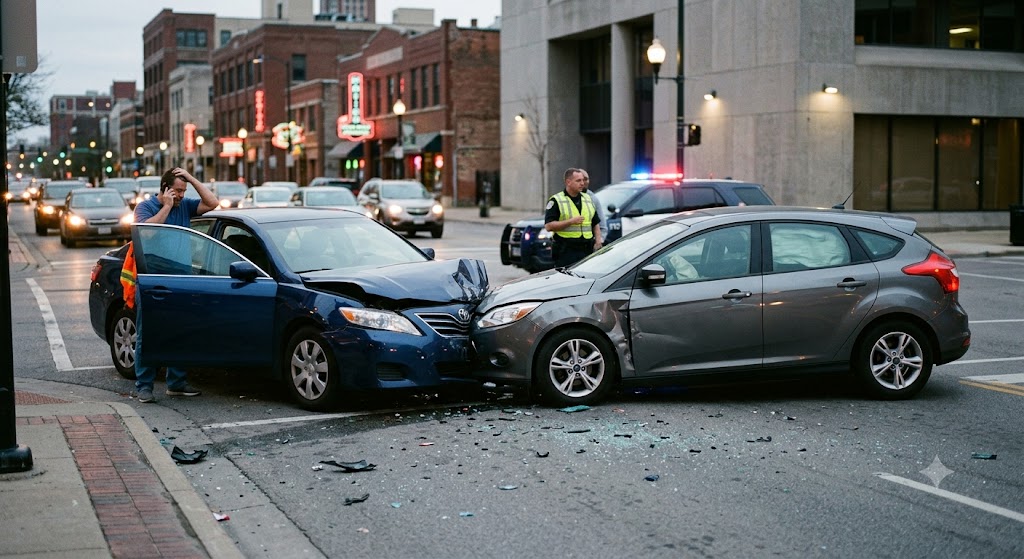
A car accident happens in moments, but the financial impact can last for years.
Every day, people throughout Anchorage leave the scene of a collision believing the hardest part is behind them. Many soon discover that seeking legal help after an Anchorage car crash can make a significant difference as medical bills arrive, insurance companies begin asking questions, and missed work creates financial pressure at home.
Working with an experienced legal team early in the process helps protect your rights while allowing you to focus on recovery instead of paperwork, insurance negotiations, and growing medical expenses.
One of the biggest misconceptions accident victims have is believing the insurance process exists to help them recover financially. It does not.
Anchorage presents unique driving challenges throughout the year. Snow, ice, limited daylight, and constantly changing road conditions all increase the risk of serious collisions. Regardless of how the accident happens, the actions taken afterward often have a lasting impact on both physical recovery and financial stability.
What You Do After the Crash Matters Most
People naturally focus on what caused the accident.
A more important question is what happens after the collision.
The first few days following an Anchorage car accident often determine whether an injured person receives fair compensation or ends up paying for someone else’s mistake.
“The crash creates the injury. The decisions afterward often determine the financial outcome.”
Protecting yourself begins by paying attention to four important areas.
Preserve Evidence Before It Disappears
Most people want to leave the accident scene as quickly as possible.
While that reaction is understandable, leaving without gathering information can create problems later.
A police report provides an independent record of the collision and often becomes one of the first documents reviewed during an insurance claim. When fault is disputed, official documentation can become extremely important.
Photographs also play a valuable role. Pictures of vehicle damage, road conditions, traffic signals, skid marks, weather conditions, and visible injuries may not seem important immediately after the accident, but they can become critical evidence later.
Witness information is equally valuable. Independent witnesses often provide the most credible version of events because they have no personal or financial interest in the outcome.
“Evidence disappears quickly. The strongest claims are often built in the first hour after a crash.”
Seek Medical Care Even If You Feel Fine
Many people involved in Anchorage accidents believe they escaped injury because they feel normal immediately afterward.
Unfortunately, that feeling does not always last.
Neck pain, headaches, dizziness, back injuries, and other symptoms frequently develop hours or even days later.
Following a traumatic event, adrenaline can temporarily hide pain and other symptoms. Injuries such as whiplash, soft tissue damage, and concussions often become noticeable only after the body begins to recover from the initial shock.
Prompt medical treatment serves two important purposes. It protects your health while also creating medical documentation that clearly connects your injuries to the accident.
According to the Mayo Clinic, symptoms associated with traumatic brain injuries may develop gradually and initially appear minor before becoming more serious.
Insurance companies closely examine treatment timelines. Waiting too long to seek medical care after an Anchorage car accident may give adjusters an opportunity to argue that your injuries were caused by something other than the collision.
Remember Who the Insurance Company Represents
Insurance adjusters often contact accident victims very soon after a collision.
The conversation usually feels friendly and informal.
That approach is intentional.
Adjusters represent the insurance company rather than the injured individual. Their responsibility is to evaluate claims while protecting the company’s financial interests.
One common request involves providing a recorded statement. Even innocent comments may later be interpreted in ways that reduce the value of a claim.
Early settlement offers present another challenge.
Receiving money quickly can seem appealing when medical expenses are increasing and income has stopped. However, these offers are often made before doctors fully understand the extent of an injury.
Once a settlement agreement is signed, obtaining additional compensation is generally no longer possible, even if surgery or long-term treatment later becomes necessary.
“Fast money often becomes expensive money when injuries turn out to be more serious than expected.”
Look Beyond Immediate Expenses
Many accident victims calculate their losses by looking only at the bills they have today.
That approach rarely reflects the full financial impact of a serious injury.
Medical bills, prescription costs, rehabilitation expenses, and vehicle repairs are only part of the overall picture. Lost wages, reduced earning capacity, chronic pain, emotional distress, and diminished quality of life may continue affecting an injured person long after the initial recovery period.
Alaska law also introduces additional legal considerations.
Shared-fault rules may reduce compensation if more than one driver contributed to the accident. Filing deadlines is equally important because missing them can completely eliminate the opportunity to pursue compensation.
The Legal Information Institute explains that statutes of limitations establish strict deadlines for filing legal claims, and courts generally refuse cases filed after those deadlines expire.
Anyone injured in Anchorage should understand Alaska’s filing deadlines and fault rules as early as possible to avoid unnecessary legal complications.
How Legal Representation Can Help
Recovering from an injury is difficult enough without spending months negotiating with insurance companies.
An experienced legal team can investigate an Anchorage car accident, preserve important evidence, obtain medical records, communicate with insurance companies, and calculate the full value of a claim.
Most personal injury attorneys work on a contingency fee basis, meaning clients generally pay attorney fees only if compensation is successfully recovered.
This arrangement allows injured people to pursue their claims without creating additional financial strain during recovery.
For many Anchorage residents, obtaining legal guidance early helps preserve valuable evidence while reducing the risk of costly mistakes.
Key Takeaway
After an Anchorage car accident, the greatest financial risk is often not the damaged vehicle.
It is the decisions made during the days that follow.
Carefully documenting the accident, receiving prompt medical care, communicating cautiously with insurance companies, and understanding your legal rights can make a significant difference in both your recovery and your financial future.
Whether the collision occurs on a busy Anchorage roadway, during hazardous winter conditions, or on a neighborhood street, the actions taken afterward can affect your health and finances for years to come.
The accident may last only a few seconds. Protecting your future depends on everything that happens next.

