
A traveler rushes through an airport. A visitor heads toward an elevator. An employee enters a building on a rainy morning.
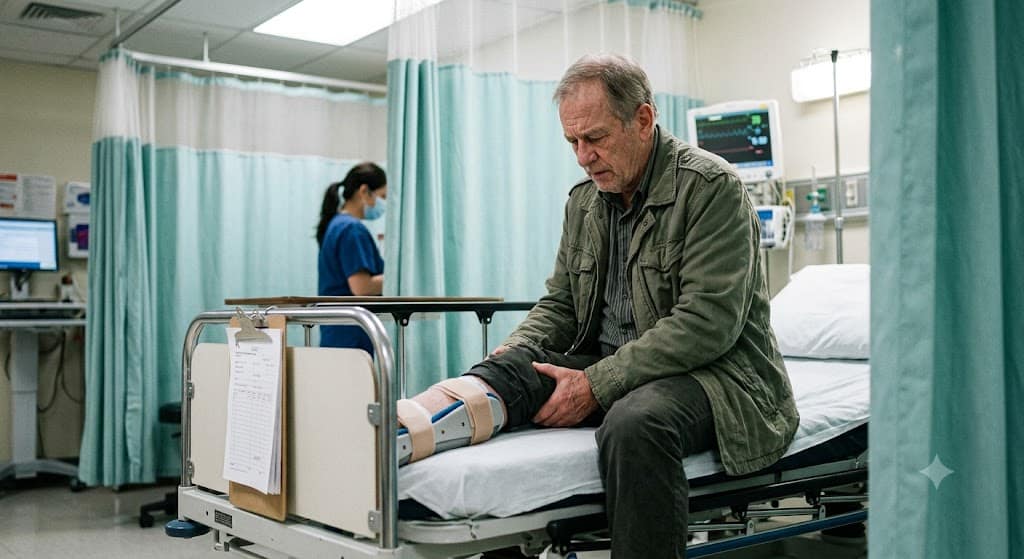
None of them expects to spend the day in an emergency room.
Slip and fall accidents happen every day, and many are caused by hazards that could have been addressed before someone got hurt. For people facing medical bills, lost income, and a difficult recovery, seeking legal help for slip and fall injuries may be an important step toward understanding their rights and options.
Wet floors, loose handrails, uneven sidewalks, and poor lighting may seem like minor issues. In reality, they can cause serious injuries that affect a person’s health, finances, and quality of life.
While falls are often described as accidents, many occur because a property owner or organization failed to maintain a reasonably safe environment. Understanding that distinction is important for both injury victims and those responsible for maintaining public and private properties.
The Hidden Risks Behind Everyday Falls
Most people walk through offices, stores, hospitals, schools, and government buildings without thinking about potential hazards around them. They trust that the property has been inspected and maintained properly.
When that trust is misplaced, injuries can occur.
Falls remain one of the leading causes of injury-related emergency room visits in the United States. Depending on the circumstances, a fall can result in broken bones, head injuries, back injuries, or months of rehabilitation.
The impact often extends beyond the injured person. Businesses and property owners may face insurance claims, legal expenses, operational disruptions, and damage to their reputation when preventable hazards are ignored.
Premises Liability and Legal Responsibility
Property owners generally have a legal duty to maintain reasonably safe conditions for visitors. Although the exact rules vary by state, this responsibility often includes identifying hazards, making necessary repairs, and warning people about dangerous conditions when immediate repairs are not possible.
Common safety measures include routine inspections, prompt maintenance, adequate lighting, and clearly marked warning signs.
Not every fall creates legal liability. However, when evidence shows that a dangerous condition existed and reasonable action was not taken, the injured person may have grounds to pursue a claim.
Why Maintenance Matters
Maintenance is often viewed as an operational responsibility, but it is also a critical risk management function.
A damaged staircase, uneven walkway, or leaking ceiling can quickly become a safety hazard. Regular inspections and timely repairs help reduce the likelihood of injuries while limiting potential legal exposure.
Organizations that prioritize preventive maintenance are often better positioned to avoid incidents before they occur.
The Importance of Reporting and Documentation
Many hazards are identified long before an injury happens. Employees may notice a loose handrail, damaged flooring, or recurring water leak, but the problem may never be documented or escalated.
Effective reporting systems help organizations identify risks early and ensure corrective action is taken. Documentation also creates a record of when hazards were reported, inspected, and repaired.
When an accident occurs, those records can become an important part of determining what happened and whether reasonable steps were taken to prevent the injury.
Investigating a Slip and Fall Accident
After a slip and fall accident, investigators, insurance companies, property owners, and legal professionals carefully examine the circumstances surrounding the incident. Their goal is to understand exactly how the accident happened, whether it could have been prevented, and if someone failed to meet their responsibility to maintain a safe environment.
Several important questions are typically considered during an investigation:
- What caused the accident?
- How long did the hazardous condition exist?
- Were inspections performed regularly?
- Has the issue been reported before?
- Were warning signs or barriers in place?
- Could the injury have been prevented?
The answers to these questions help establish whether negligence may have contributed to the accident. For example, if a dangerous condition remained unaddressed for an extended period despite previous complaints or routine inspections, it may indicate that reasonable safety measures were not followed.
Investigations often involve reviewing maintenance records, surveillance footage, inspection logs, witness statements, incident reports, and photographs of the accident scene. Together, this evidence helps create a clearer picture of what occurred and whether the property owner or another responsible party acted reasonably under the circumstances.
For organizations, examining slip and fall incidents is equally valuable from a risk management perspective. Every accident provides an opportunity to identify weaknesses in safety procedures, improve employee training, strengthen inspection schedules, and address hazards before they result in additional injuries. A thorough investigation not only helps resolve the current incident but also supports the development of safer environments for everyone who uses the property.
Accountability and Public Safety
Accountability plays an important role in improving safety standards.
When organizations are required to address unsafe conditions, they often strengthen inspection procedures, improve maintenance practices, and invest more resources in preventing future incidents.
This process benefits everyone. Safer properties reduce injuries, lower liability risks, and create a better experience for employees, customers, and visitors.
The Human Impact of Falls
Statistics help explain the scope of the problem, but they do not tell the whole story.
A serious fall can leave a worker unable to earn an income for weeks or months. An older adult may struggle to regain mobility and independence. Families may face unexpected financial pressures while supporting a loved one through recovery.
The World Health Organization recognizes falls as a major public health concern because of their contribution to injury, disability, and reduced quality of life around the world.
For many victims, the effects of a fall continue long after the physical injuries have healed.
Building Safer Spaces for Everyone
No property can be made completely risk-free. However, many slip and fall accidents can be prevented through consistent inspections, prompt repairs, effective reporting systems, and a commitment to safety.
Serious injuries often begin with hazards that appear insignificant at first. A cracked walkway, broken handrail, leaking roof, or poorly lit entrance may not seem urgent until someone gets hurt.
Creating safer environments requires attention to detail, accountability, and a willingness to address problems before they become injuries. When property owners take those responsibilities seriously, everyone benefits.

